Decorative Salt Wall vs. True Therapeutic Salt Cave: What Wellness Business Owners Need to Know
True Salt Cave vs Decorative Salt Wall | Salt Therapy Guide
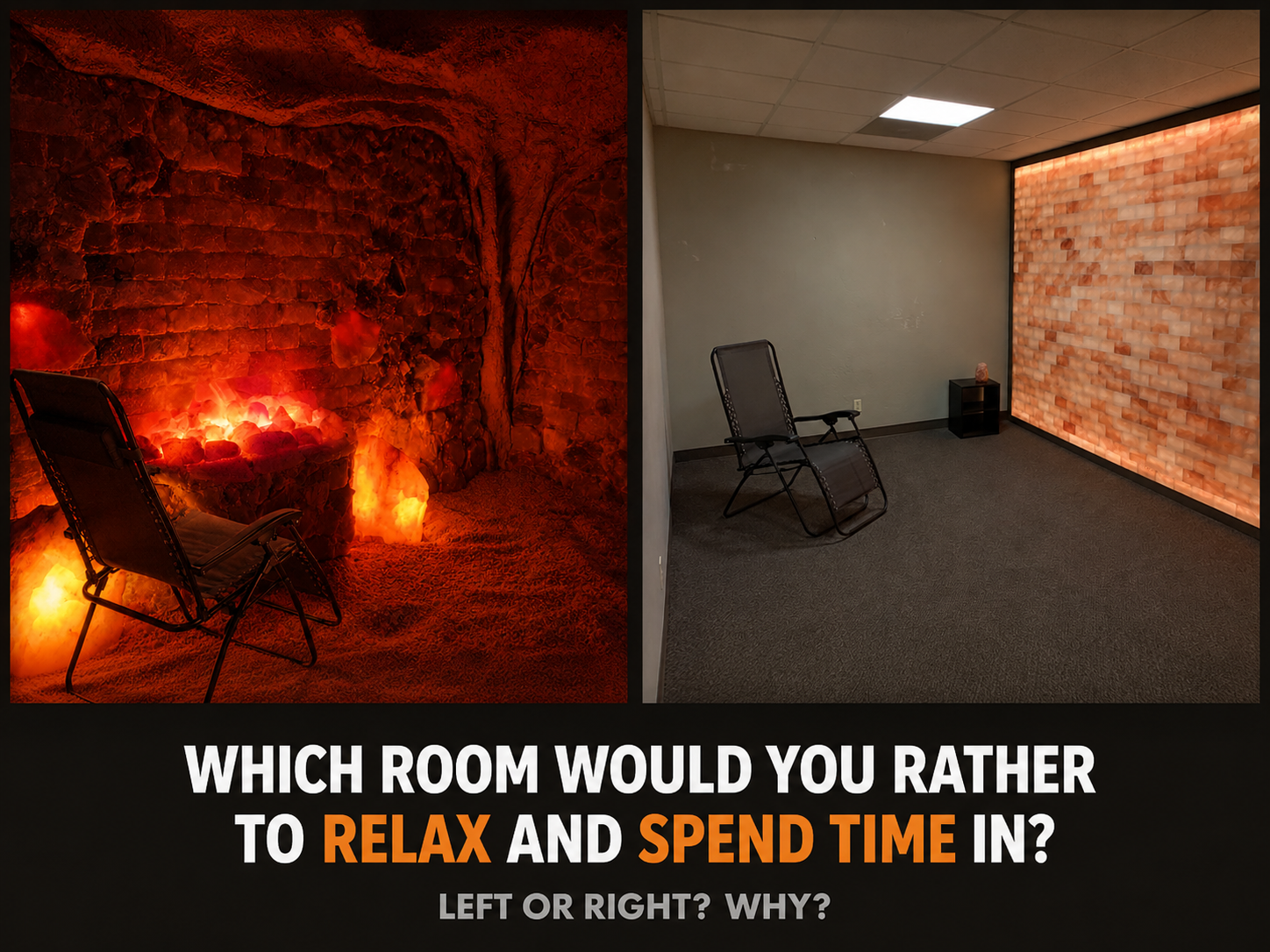
Decorative Salt Wall vs. True Therapeutic Salt Cave: What Wellness Business Owners Need to Know
The popularity of salt therapy has exploded across the United States. Wellness centers, spas, med spas, yoga studios, resorts, and holistic clinics are all looking for ways to stand out in a competitive wellness market.
As a result, many businesses are now adding Himalayan salt walls or small decorative salt features to their spaces.
But there is an important question every wellness business owner must ask:
Are you building a decorative room with salt accents, or are you creating a true therapeutic salt cave experience?
There is a very big difference between the two.
Unfortunately, the salt therapy industry has become filled with misinformation.
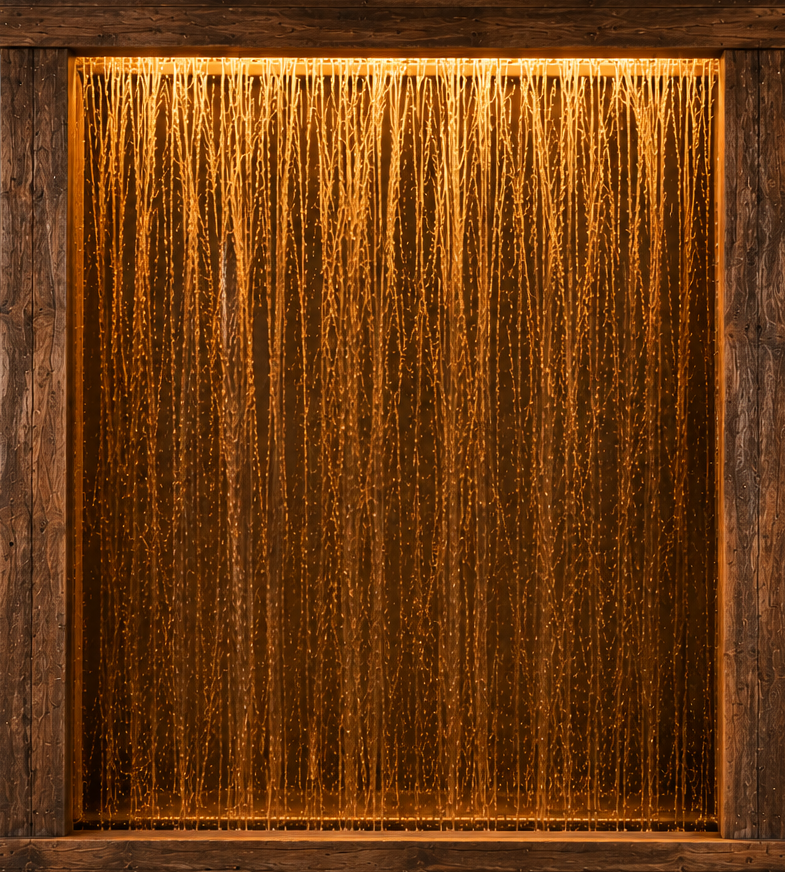
Many people are now being told that adding one salt wall automatically creates a “salt cave.” While salt walls can be beautiful and enhance the atmosphere of a wellness center, a single decorative salt wall alone does not create the therapeutic salt microclimate associated with professional halotherapy.
A true therapeutic salt cave requires science, engineering, experience, and proper environmental design.
What Is a Real Salt Cave?
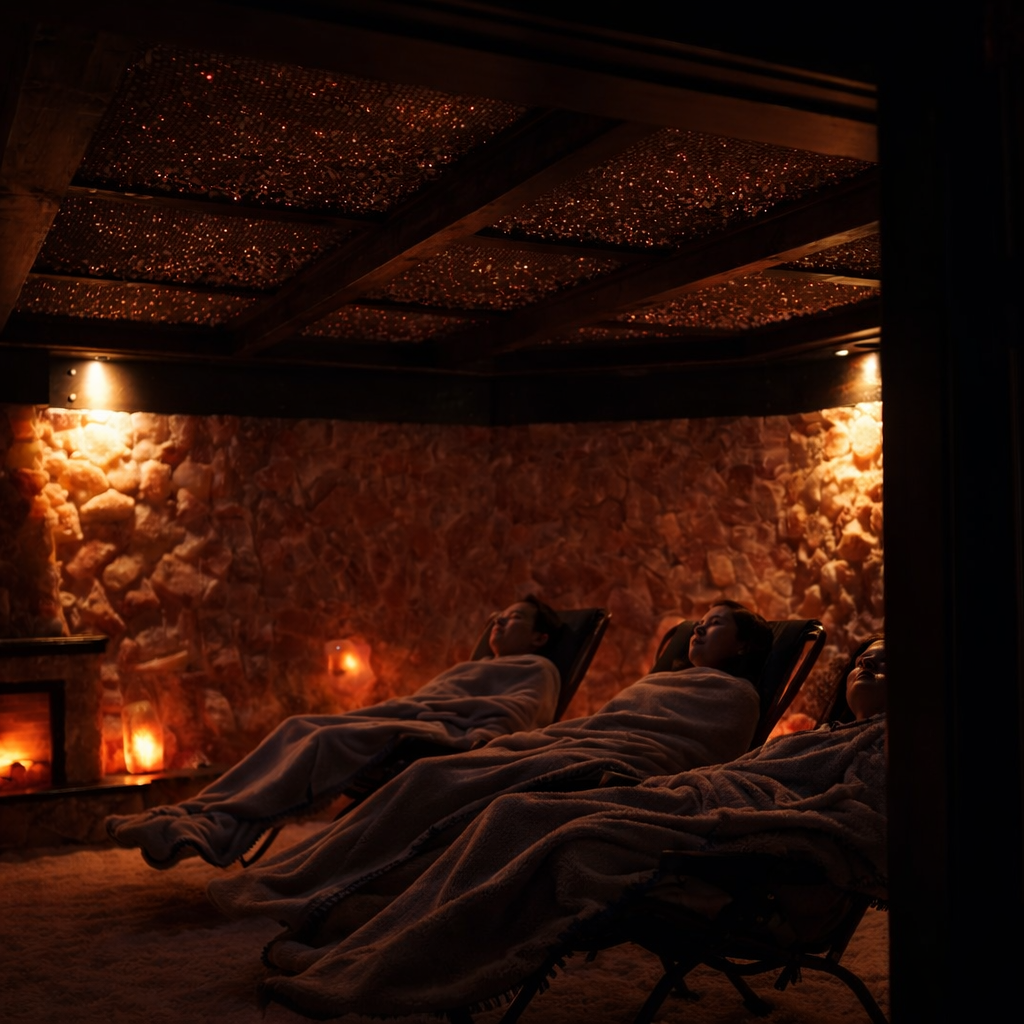
A real therapeutic salt cave is designed to recreate the unique environment of natural underground salt mines in Eastern Europe, where salt therapy originated.
For decades, people traveled to salt mines in places like Poland for respiratory health, relaxation, and the unique microclimate of salt-rich air. Modern salt cave construction aims to recreate those conditions in a safe and controlled indoor environment.
A professionally designed salt cave involves much more than aesthetics.
A therapeutic salt cave requires:
- Proper salt coverage throughout the room
- Carefully engineered airflow
- Correct humidity and climate control
- Specialized salt therapy equipment
- Safe construction methods
- Understanding how salt behaves in enclosed environments
- Proper client comfort and air circulation
Without these elements working together, the room may look beautiful, but it is not functioning as a true therapeutic salt environment.
Why One Salt Wall Does Not Create Halotherapy
One of the biggest misconceptions in the industry today is the belief that a single salt wall automatically creates salt therapy.
This is simply not accurate.
Salt walls are primarily decorative unless the entire room has been designed to support a therapeutic microclimate. Many companies market glowing salt bricks and decorative panels as “salt caves,” but the actual therapeutic environment requires far more planning and specialized knowledge.
Salt therapy is not about putting a few bags of salt on the floor or hanging decorative salt panels on one wall. True halotherapy depends on how the room functions as a complete environment.
The relationship between salt coverage, airflow, humidity, ventilation, and climate control is critical.
Without proper design:
- Salt can leave the room and damage nearby equipment
- Humidity can destroy salt surfaces over time
- HVAC systems can become contaminated
- Electronics may corrode
- The therapeutic effect may be greatly reduced
- Maintenance costs can increase significantly
This is why professional salt cave construction should never be approached as simple decorative remodeling.
The Importance of Proper Climate Control in Salt Caves
Climate control is one of the most overlooked aspects of salt cave construction.
A true salt cave must maintain stable environmental conditions that keep the salt dry while also creating a comfortable experience for clients.
Humidity control is especially important because salt naturally absorbs moisture from the air. If the humidity is too high, the salt can begin to deteriorate, soften, or lose its visual appeal.
Airflow also plays a major role.
A properly designed salt cave should be engineered to keep the salt within the therapeutic environment rather than spreading throughout the building. Improper airflow can cause salt dust to migrate into HVAC systems, electronics, lighting systems, and nearby rooms.
This is one reason experienced salt cave builders pay close attention to ventilation placement, airflow direction, and air-exchange systems.
Signs a Salt Cave May Not Have Been Professionally Designed
As the industry grows, many wellness business owners are unknowingly investing in poorly designed salt rooms that may look attractive in photographs but lack proper therapeutic function.
There are several warning signs that may indicate a room was not professionally designed for long-term salt therapy use:
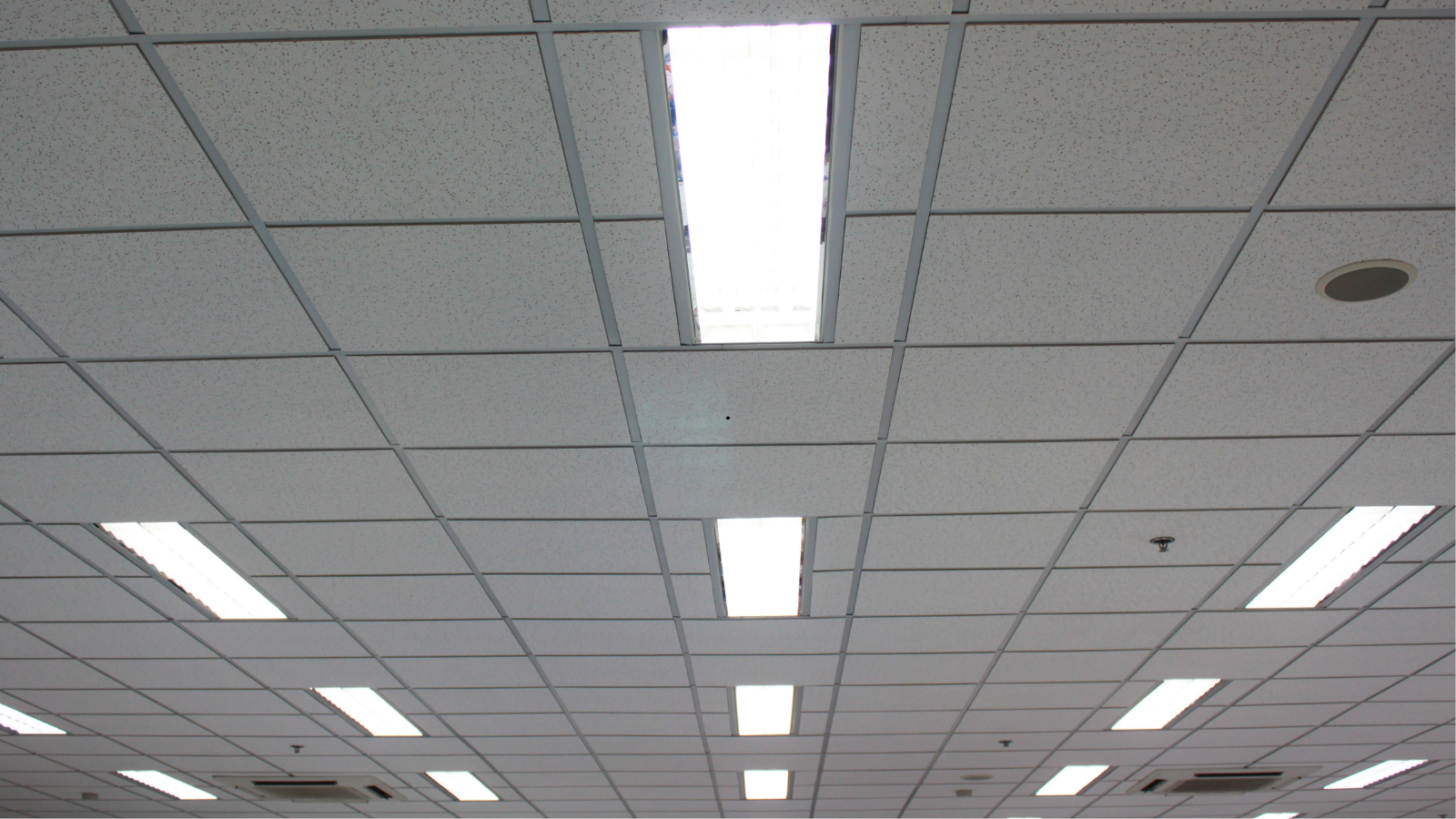
Visible AC Diffusers or Vents Inside the Salt Cave
Visible HVAC grills inside the cave often indicate that standard construction methods were used without understanding how salt interacts with airflow and ventilation systems.
Windows Inside the Salt Room
Windows can create unnecessary moisture, temperature fluctuation, and environmental instability inside the cave.
Minimal Salt Coverage
A room with only one decorative salt wall should not be marketed as a therapeutic salt cave.
Decorative Household Items Unsuitable for Salt Environments
Salt is naturally corrosive. Many standard decorative materials, electronics, fixtures, and furniture may deteriorate quickly if they are not selected specifically for salt environments.
Poor Understanding of Salt Therapy Principles
If the focus is solely on appearance rather than on environmental engineering, climate control, and safety, the room may not function properly as a therapeutic space.
Salt Cave Design Is About the Client Experience
One of the biggest mistakes wellness businesses make is focusing solely on the room's appearance while ignoring the overall client experience.
People do not visit a salt cave simply to stare at salt walls. They come for relaxation, atmosphere, wellness, and the sensory experience.
A successful salt cave combines:
- Beauty
- Comfort
- Relaxation
- Atmosphere
- Proper lighting
- Sound experience
- Air quality
- Therapeutic design
When designed correctly, a salt cave becomes a destination experience that helps wellness centers stand apart from competitors.
The most successful wellness businesses understand that clients are looking for more than a treatment room. They want an experience they cannot easily find elsewhere.
The Problem With Industry Misinformation
Over the years, the salt therapy industry has become flooded with misinformation and inexperienced builders.
At one point, it seemed like everyone suddenly became a “salt expert.”
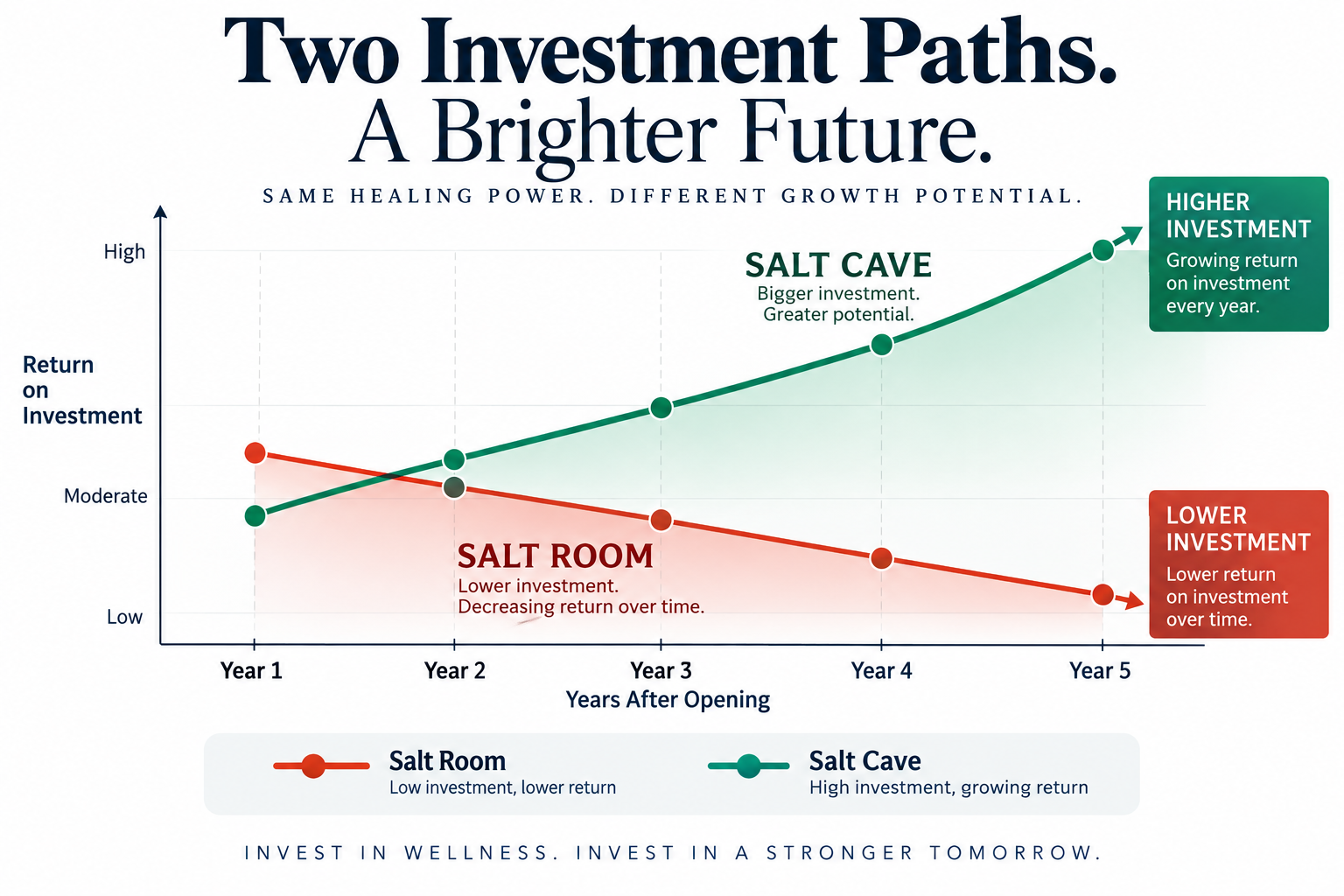
Unfortunately, many wellness business owners have invested large amounts of money into decorative rooms that were never properly engineered for therapeutic salt therapy.
Building a real salt cave requires years of specialized experience, understanding of salt behavior, environmental control, construction knowledge, and long-term maintenance planning.
This is not a simple decorative project.
The industry deserves better education, higher standards, and more honest conversations about what true therapeutic salt cave construction actually involves.
Questions Every Wellness Business Owner Should Ask
Before investing in a salt therapy business, ask yourself:
- What experience do I want my clients to have?
- What reputation do I want my wellness center to build?
- Am I building a decorative feature or a true therapeutic environment?
- Is the room being designed for long-term functionality and safety?
- Will this space still perform properly for years to come?
The businesses that succeed long term are the ones that focus on quality, authenticity, safety, education, and the complete client experience.
Building Salt Caves the Right Way
For over two decades, Salt Cave Inc. has helped wellness centers, spas, hotels, resorts, medical offices, and holistic facilities create authentic therapeutic salt environments throughout the United States.
Founded by Dr. Margaret Smiechowski, who introduced modern salt cave construction to the USA market, Salt Cave Inc. focuses on creating spaces that combine beauty, functionality, safety, and long-term performance.
Every project is designed to create not only a visually stunning environment, but also a true therapeutic salt experience that clients remember.
If you are considering adding salt therapy to your wellness business, it is important to work with professionals who understand both the science and the construction behind successful salt cave environments.
Your clients deserve more than decoration.
They deserve a true experience.
Dr. Margaret Smiechowski
Founder of Modern Salt Cave Construction in the USA
Salt Cave Inc.
802-770-3138