Salt Cave Construction: Legal Risks & Hiring Guide
Avoid fines and shutdowns. Learn the legal risks of hiring undocumented foreign salt cave builders and protect your project.

Salt Cave Construction and Design: A Complete Legal Guide for Business Owners
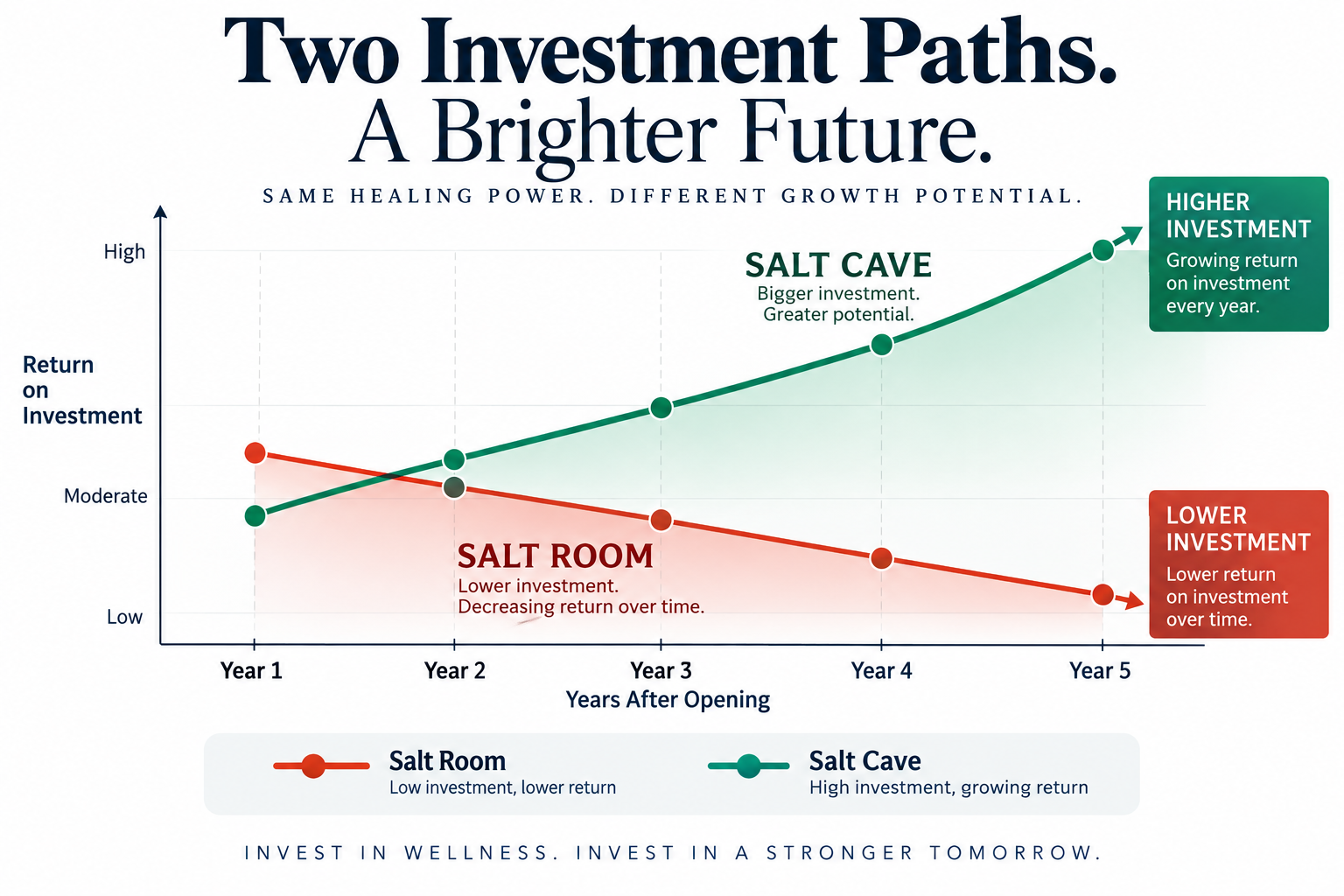
Salt cave construction and design is more than a build; it’s a long-term business investment.
A proper salt cave delivers effective halotherapy, attracts clients, and enhances your brand’s reputation.
But if your contractor is not legally operating in the U.S., the consequences can include massive fines, criminal exposure, project shutdowns, and retroactive audits.
Now more than ever, enforcement of immigration, labor, and tax laws is active and ongoing. Federal agencies like the Department of Homeland Security (DHS), U.S. Immigration and Customs Enforcement (ICE), and the Internal Revenue Service (IRS) can investigate past activity, assess penalties, and charge interest on unpaid obligations.
In this guide, we’ll cover:
- The importance of compliant salt cave construction and design
- Legal risks for foreign companies working without documentation
- Liabilities for U.S. business owners hiring undocumented or improperly documented contractors
- IRS tax withholding and reporting requirements
- Why hiring legal, U.S.-based companies protects your project
- Real resources you can review for penalties and regulations
The Standard for Salt Therapy: Dr. Margaret Smiechowski’s Legacy
In the early days of halotherapy in the United States, Dr. Margaret Smiechowski became the first woman to construct a salt cave designed for therapeutic use. Her work set high standards for authentic salt cave design, air quality control, and professional compliance that mirror the traditional experiences found in Eastern Europe.
Today, as demand for salt rooms and caves skyrockets, imitators and low-quality builders have entered the market. Many of these copycat builders mimic the look of a salt cave but don’t understand proper engineering, permitting, or compliance standards necessary to protect your investment and clients.
Building to a professional standard matters not just visually, but also legally. Under the U.S. Immigration and Nationality Act (INA), employers (including companies performing construction) must be able to document legal authorization to work in the United States. Failure to do so exposes both the contractor and your business to serious penalties.
Why Proper Documentation Matters for Salt Cave Construction
Salt cave construction requires:
- Structural framing and moisture-resistant finishes
- HVAC systems designed for dry salt aerosol circulation
- Electrical and fire-safety installations compliant with code
- Commercial permitting and inspection approvals
- Compliance with labor, tax, and immigration documentation requirements
Any company performing this work inside the United States must comply with federal immigration and labor laws, including:
- Form I-9 employment verification requirements
- IRS tax withholding and reporting obligations for payments to foreign workers
- State contractor licensing under trade and construction regulations
A company operating in the U.S. without documentation may be:
- Unable to obtain proper building permits
- Refused inspections by building departments
- Shut down mid-project by local authorities
- Unable to obtain or maintain insurance coverage
Legal Penalties for Foreign Companies Operating Without Proper Documentation
When a foreign company or contractor operates in the U.S. without valid documentation supporting its legal business status, it faces enforcement actions from multiple federal agencies and enforcement now reaches back years. Civil and criminal penalties under immigration and labor law are significant.
Federal Immigration Penalties — Form I-9 Violations
Under U.S. law, employers must verify that workers are authorized to work in the United States using Form I-9. The penalties , which are updated regularly and vigorously enforced, apply to employers who:
- Hire or continue to employ unauthorized workers
- Fail to complete, retain, or produce required I-9 forms
- Engage in a pattern or practice of violations
The government can assess civil fines for each unauthorized worker and each I-9 paperwork violation, depending on the number of offenses and history of non-compliance.
Examples of Recent Penalty Ranges
According to official DHS/ICE sources, employers can face:
- $281 to over $2,861 per I-9 paperwork violation per employee
- $716 to over $28,619 per unauthorized worker for substantive violations
- Higher fines and penalties for repeat offenses, with limits increasing for each violation per employee
Existing law under 8 U.S.C. § 1324a also allows:
- Civil fines from $250 to $10,000 per unauthorized alien employed
- Criminal penalties including fines and potential imprisonment for a pattern or practice of violations.
Criminal Enforcement
If authorities determine there is a pattern or practice of knowingly hiring unauthorized workers, your contractor could face:
- Criminal fines up to $3,000 per unauthorized worker
- Up to 6 months imprisonment
- Asset seizure and business shutdown orders
- Debarment from federal contracts
ICE and DHS do not limit enforcement to the current year; enforcement authorities can go back through past records, trigger audits, and apply fines and penalties that have historically been applied.
Legal Consequences for U.S. Business Owners Who Hire Foreign Companies Without Proper Documentation
Many U.S. business owners mistakenly believe the risk falls solely on the foreign company. This is not true.
You, as a hiring business owner, may be held liable if you:
- Contract with a foreign company not authorized to do business in the U.S.
- Hire a contractor who employs unauthorized workers
- Fail to ensure proper tax withholding and reporting
U.S. laws state that both the employer and third-party beneficiaries can be responsible for immigration and labor compliance. A U.S. owner cannot outsource legal responsibility simply by hiring a contractor.
Shared Liability and Retroactive Audits
Federal agencies can investigate years of contracts and payments. If an audit finds non-compliance:
- Your business can be fined for each unauthorized worker
- You may be liable for I-9 paperwork penalties
- You may be audited by the IRS for reporting and withholding violations
- Enforcement agencies can assess penalties and interest on unpaid amounts over multiple years
Importantly, enforcement actions can apply even years after construction has ended, and failure to maintain records can result in penalties as if violations were ongoing.
IRS Tax Withholding & Reporting Requirements for Foreign Contractors
Hiring a foreign corporation or non-U.S. contractor introduces another layer of legal risk if not handled properly.
The IRS requires that payments to foreign contractors:
- Be verified for correct tax status
- Have withholding applied if required
- Be reported on Form 1042-S and related IRS filings
Payment reporting and withholding obligations are not optional just because the contractor is foreign; they are federal law and apply whether the contractor is a corporation, partnership, or individual.
Withholding Requirements
If a foreign contractor performs services while present in the U.S., you, as the U.S. client, may be required to:
- Withhold 30% of payments in certain scenarios
- Report payments to the IRS using Form 1042-S
- Ensure proper tax treaty exemptions are in place, if applicable
Failure to withhold or file the proper forms can trigger:
- IRS penalties for late or missing forms
- Penalties for failure to withhold tax from payments
- Interest on unpaid tax obligations
- Potential IRS audits of prior years, with back-dated penalties
These tax penalties can easily exceed the cost of construction, especially when compounded by interest and late-filing charges assessed by the IRS.
Common Problems When Hiring Foreign Contractors
Business owners often rely on third-party agencies or verbal assurances that compliance is handled. This is not sufficient.
Common compliance issues include:
- Misclassification of workers vs. contractors
- Failure to obtain valid immigration documentation
- Lack of proper business registration in the U.S.
- Missing or incorrect IRS filing and withholding
- Contractors who hire undocumented workers for your project
- Contractors who work in the U.S. on visas that do not permit employment
Each of these can expose your business to enforcement, fines, and audits.
How Enforcement Works: IRS & Immigration Authorities Can Go Back Years
Federal agencies do not restrict audits to a single year. Both the IRS and immigration enforcement authorities can:
- Look back over multiple years of records
- Penalize past violations any time they are discovered
- Accumulate penalties and interest over time
- Issue notices years after work was performed
This means that even if your project is long completed, past violations could still trigger enforcement actions against your business.
Why Choosing a U.S.-Based Contractor Matters
When you hire a licensed, documented U.S. contractor, you protect your project in ways that matter most:
1. Clear Legal Compliance
A U.S. contractor:
- Is registered to do business in the U.S.
- Follows federal hiring and verification laws
- Maintains accurate I-9 records
- Understands IRS withholding and reporting obligations
2. Permits & Inspections
A compliant contractor secures:
- Building permits
- State and local licenses
- Successful inspections
- Insurance coverage
3. Accountability
If a problem arises, a U.S. company:
- Provides liability protection
- Has legal standing in U.S. courts
- Is easier to hold accountable if issues emerge
4. Peace of Mind
Compliance lets you focus on growing your business not defending it in federal audits or enforcement actions.
Government Resources You Can Review
For your own peace of mind and transparency, here are official resources you can review:
- USCIS I-9 Compliance & Penalties – See Form I-9 legal requirements and penalties from the U.S. government:https://www.uscis.gov/i-9-central/legal-requirements-and-enforcement/penalties
- ICE I-9 Inspection Process – Learn how inspections and notices work in real compliance reviews:https://www.ice.gov/factsheets/i9-inspection
- U.S. Code on Employer Sanctions – Official federal law outlining civil and criminal penalties for unlawful employment of aliens:https://www.law.cornell.edu/uscode/text/8/1324a
These are excellent starting points if you want to do your own compliance research.
Real Stories: Businesses Fined Years After Construction
Federal enforcement actions often hit companies long after projects end. Construction companies, restaurants, retail businesses, and other employers have received notices of inspection, audits, and fines years after hiring undocumented workers or failing to maintain I-9 compliance.
Many business owners find out the hard way that ignorance is not a defense and that penalties and interest can accumulate to far exceed the original cost savings of hiring cheap labor.
Final Thoughts: Compliance Protects Your Business
Salt cave construction is a specialized field that deserves professional standards not only in design, but also in legal compliance.
A compliance issue is not just a paperwork problem; it’s a business-ending risk:
- Fines per unauthorized worker can be tens of thousands of dollars
- Paperwork mistakes can result in thousands of penalties
- Criminal penalties and imprisonment are possible for patterns of misconduct
- Retroactive audits can go back years, adding penalties and interest
Choosing a U.S.-based, documented company protects you from these risks because your success deserves more than a cheap contractor. It deserves accountability, compliance, and peace of mind.
Secure Your Salt Cave the Right Way
Protect your investment, your reputation, and your business future. Work with professionals who understand:
- U.S. immigration law and labor compliance
- IRS tax withholding and reporting requirements
- State and local construction regulations
- High-quality salt cave design and construction
Call today, we’re here to help you build your salt cave legally, safely, and successfully. Dr. Margaret Smiechowski, saltcavevt@gmail.com, www.oceanairhimalayansaltcave.com 802-770-3138