Would You Trust a Salt Cave Without Salt Walls?
Learn why real salt caves require salt on all four walls and why decorative salt panels alone cannot create authentic halotherapy.
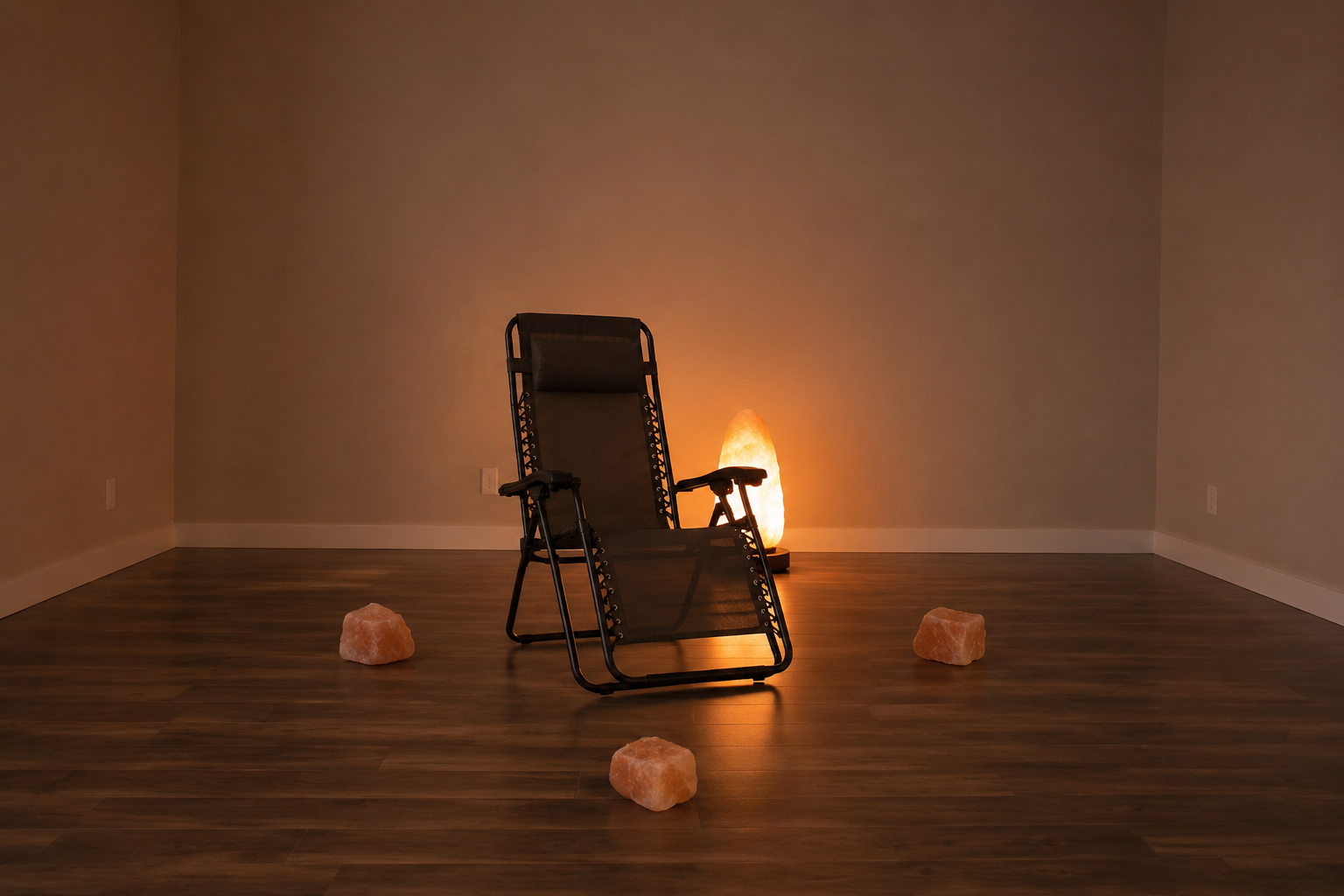
The Growing Problem in the Salt Therapy Industry
Over the last two decades, salt therapy has grown rapidly across the United States. What once was a carefully engineered wellness concept inspired by the natural salt mines of Eastern Europe has now become a trend. Unfortunately, with that growth came misinformation, shortcuts, and designs that completely misunderstood the foundation of true halotherapy.
Today, many so-called salt cave builders promote “salt rooms” with only one decorative salt wall or a few scattered salt panels. Some even claim that salt on the walls is unnecessary altogether. This is misleading for future business owners and reflects poorly on the salt therapy industry.
The truth is simple: there is no real salt cave or therapeutic salt room without salt covering the walls.
Salt Therapy Was Never Meant to Be Just Decoration
The original concept of salt therapy came from natural salt caves and underground salt mines. These environments were surrounded entirely by salt. The therapeutic experience was created by the complete microclimate inside the cave, not by a single decorative wall and a machine sitting in the corner.
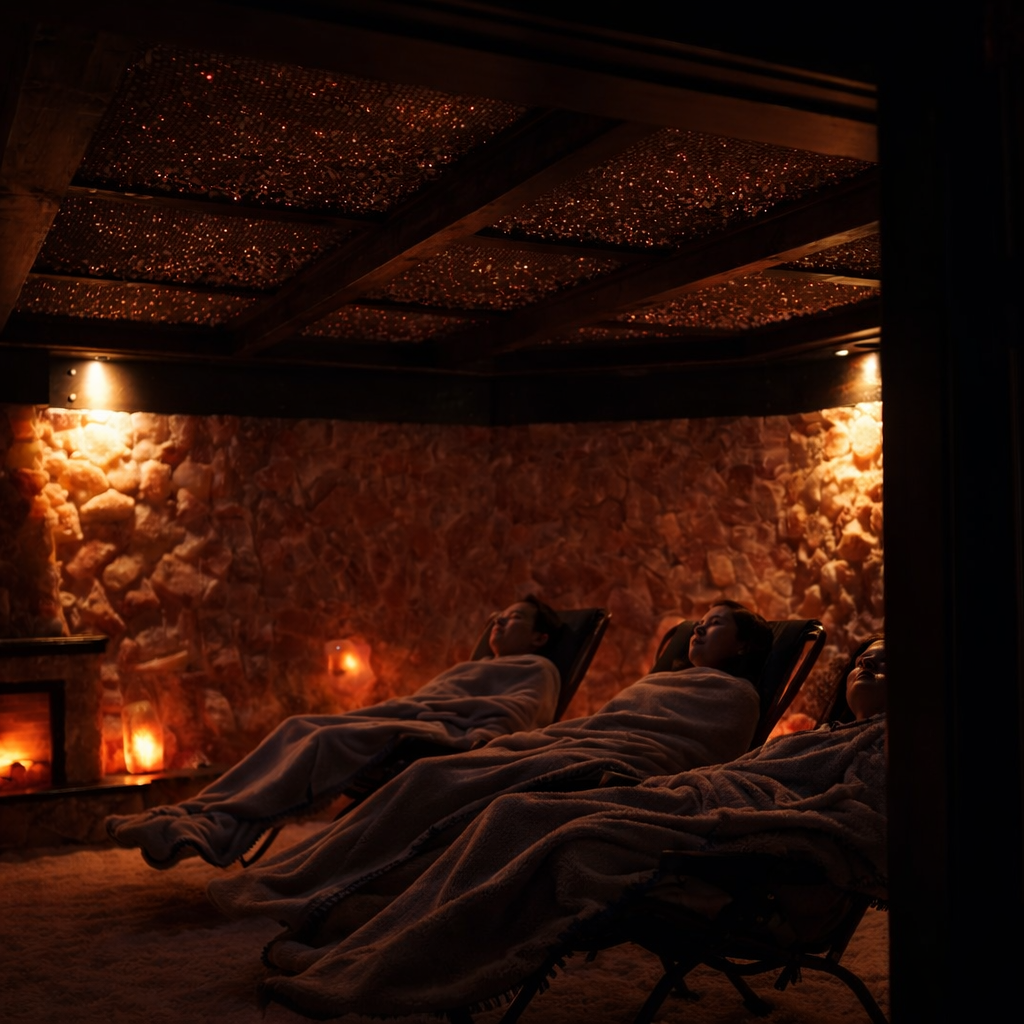
A fully functional salt cave requires salt on all four walls to help create the proper therapeutic atmosphere. Tons of Himalayan salt inside the room contribute to the unique microclimate that clients feel the moment they walk in. The environment itself becomes part of the therapy.
When companies eliminate the salt walls, they eliminate one of the most important elements of the entire concept.
At that point, it is no longer a true salt cave. It becomes little more than a regular room with a salt generator.
The Importance of the Salt Cave Microclimate
One of the most misunderstood parts of halotherapy is the role of the microclimate. A real salt cave is carefully engineered to mimic the conditions found in natural salt mines. The salt walls work together with climate control, airflow, humidity management, and the halogenerator to create a complete therapeutic environment.
This is why experienced salt cave construction is so important.
Salt on the walls is not simply there to “look pretty.” It helps create the atmosphere, the sensory experience, and the environment clients expect when they visit a salt cave. The visual impact alone creates relaxation, but the true purpose goes much deeper than appearance.
Without the surrounding salt, the room loses authenticity and part of the therapeutic experience that made salt therapy famous in the first place.
When the Industry Started Cutting Corners
At some point, parts of the industry began promoting the idea that salt walls were optional. It raises an important question: who decided to remove the most recognizable and essential part of salt therapy?
One possible explanation is that selling standalone salt generators became easier and more profitable. If companies convince clients they only need a machine, they can sell more equipment without the complexity of properly building a therapeutic salt cave.
Reducing salt therapy to only a generator suggests a misunderstanding of how authentic salt caves were originally designed.
A halogenerator is an important component, but it was never meant to replace the cave itself.
One Salt Wall Does Not Create a Salt Cave
A single salt wall may look attractive in photos, but appearance alone does not create a therapeutic salt environment. True salt caves are immersive. Clients should feel surrounded by salt, not simply looking at one accent wall while sitting in a standard room.
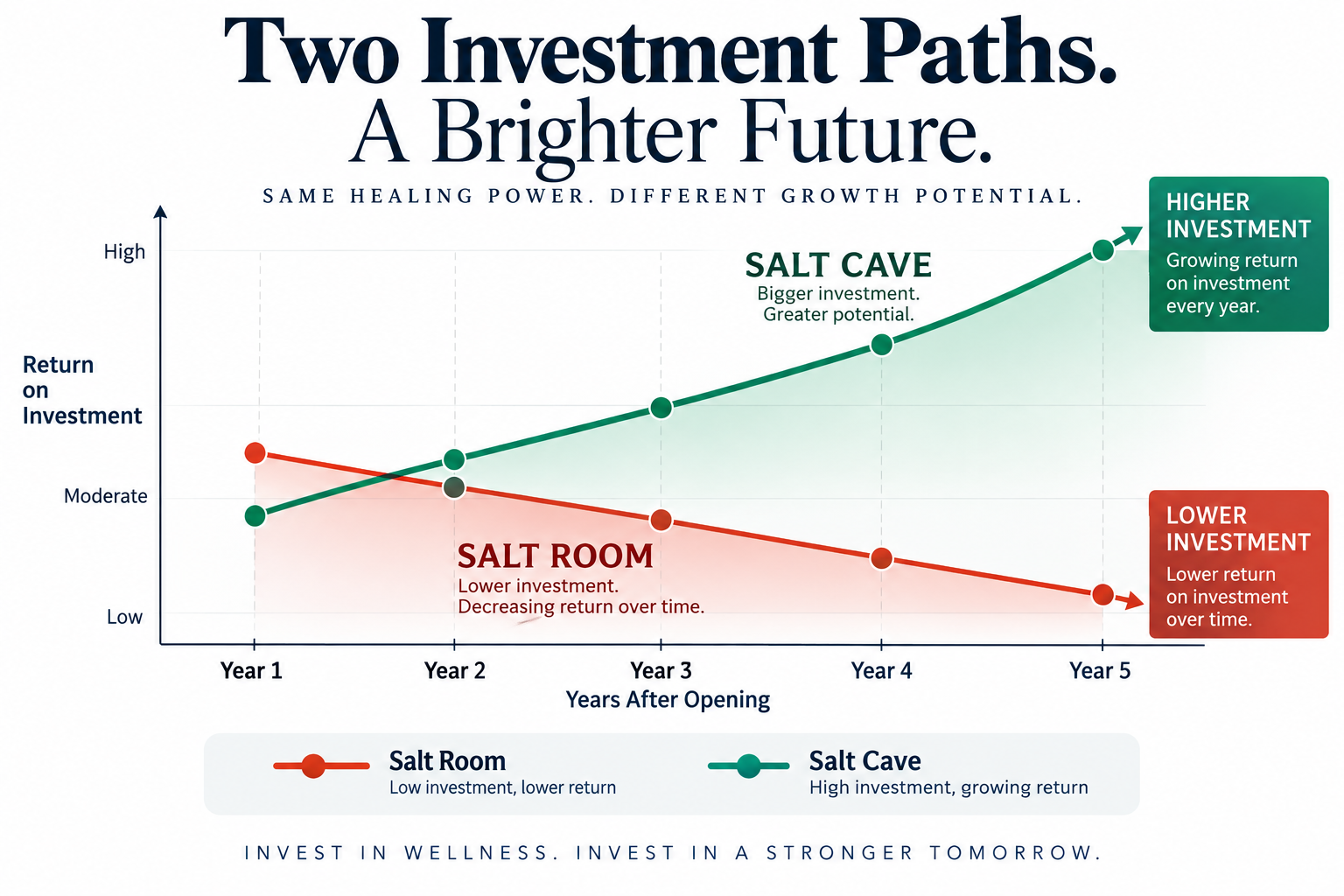
Many businesses spend large amounts of money creating “Instagram-friendly” rooms while ignoring the actual science and engineering behind halotherapy. The result is often disappointing experiences, confused clients, and facilities that struggle in the long term.
People visit salt caves not only for therapy, but also for the complete sensory experience. Beauty, atmosphere, lighting, and authenticity matter.
Cheap imitations hurt the industry's reputation and confuse consumers who may not know the difference between a decorative salt wall and a professionally engineered salt cave.
Authentic Salt Therapy Requires Proper Design
Building a true salt cave involves much more than hanging salt panels on drywall. It requires careful planning, climate control, airflow engineering, humidity management, proper salt distribution, and years of experience understanding how salt behaves inside enclosed environments.
There is a reason natural salt caves inspired this therapy in the first place.
The closer we stay to the original concept, the better the experience becomes.
The Future of Salt Therapy
As the wellness industry continues to grow, clients are becoming more educated. They are looking for authentic experiences, not shortcuts. The future belongs to salt caves that combine beauty, science, atmosphere, and proper engineering, not rooms that remove the very element that made salt therapy special.
A real salt cave should feel immersive, authentic, and unforgettable.
Because at the end of the day, there is no salt cave without salt.
If you are interested in adding a salt room to your business, please contact Dr. Margaret Smiechowski at 802-770-3138. www.saltcavebuilder.com saltcavevt@gmail.com dr.margaret@saltcavebuilder.com