Where’s the Salt? A Not-So-Serious Story About a Very Serious Problem
Planning a Salt Cave? Key Construction Mistakes to Avoid

Where’s the Salt? A Not-So-Serious Story About a Very Serious Problem
Let me paint you a picture…
You've decided to try salt therapy.
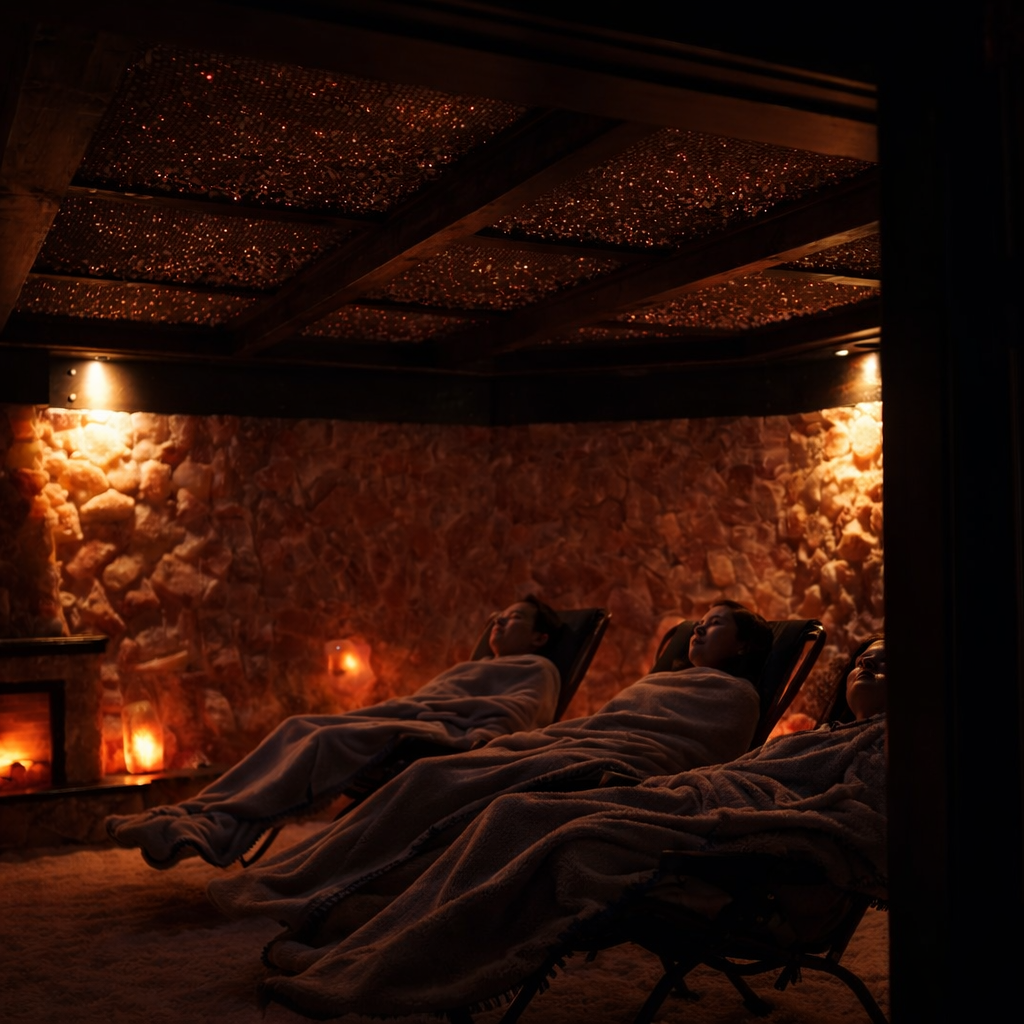
You’ve seen the photos of glowing amber walls, soft pink salt under your feet, that peaceful, cave-like feeling that makes you think, “Yeah… this is exactly what I need.”
So you book a session. You drive there. You’re excited.
You walk in…
Take a look around…
And suddenly—
👉 “Wait… where’s the salt?”
You look left. Drywall.
You look right. A mural.
You look down at the tile floor. (??).
At this point, you’re not in a salt cave. You’re in a room… with commitment issues.
The Great Salt Disappearance Mystery
Now you’re sitting there, trying to convince yourself:
“Maybe the salt is… invisible?”
Or maybe:
“It’s probably very high-tech salt. You just can’t see it.”
Meanwhile, your brain is quietly asking:
“Am I paying to sit in a slightly dusty room?”
Short answer?
Yes.
How Did We Get Here?
About 20 years ago, Dr. Margaret Smiechowski introduced authentic salt therapy to the U.S., based on real European salt cave traditions.
And those original spaces?
They were the real deal:
- Salt on the walls
- Salt on the floor
- Carefully controlled air
- Actual therapeutic design
Fast forward a few years…
Salt therapy has become popular (as it should).
And then… the copycats arrive.
Somewhere along the way, someone said:
“What if we make a salt cave… but… with less salt?”
And then someone else said:
“What if we skip the complicated systems too?”
And just like that…
The “salt cave with no salt” was born.
When a Salt Cave Is… Just a Room
Let’s be honest for a second.
If you walk into a “salt cave” and there’s no salt on the walls…
That’s not a salt cave.
That’s a regular room that went through a wellness rebrand.
It’s like ordering a pizza… opening the box… and finding bread with no toppings.
Technically, it exists.
Emotionally, it’s disappointing.
The Dusty Truth (Literally)
Now let’s talk about something even more interesting.
Some of these spaces do have salt, but not in the way you want.
You sit down… and after a few minutes, you start noticing:
- Salt settling on your clothes
- A slightly gritty feeling in the air
- Maybe even a little cloud of “something” floating around
Congratulations.
You’re not in a salt therapy session.
You’re in what we like to call… a DIY salt storm.
And here’s the problem:
Large salt particles are basically useless for therapy.
They’re too heavy. They fall fast. They don’t go where they need to go in your respiratory system.
So instead of helping, they just sit there… on you… judging your life choices.
“More Salt = Better,” Right? Not Exactly.
Here’s where things get serious (but still slightly funny).
Real salt therapy isn’t about dumping a bunch of salt into the air and hoping for the best.
It’s about control.
Proper salt cave use:
- Controlled airflow
- Regulated salt levels
- Ventilation systems that keep everything balanced
Because yes, this matters.
Too little salt? You get no benefit.
Too much salt? That’s not relaxing… that’s overwhelming.
You should leave a session thinking:
“Wow, I feel clear, calm, and refreshed.”
Not:
“Why do I feel like a human pretzel?”
The Construction Part Nobody Talks About (But Should)
Here’s the thing most people don’t realize:
Salt therapy isn’t something you add to a room.
It’s something you build into it.
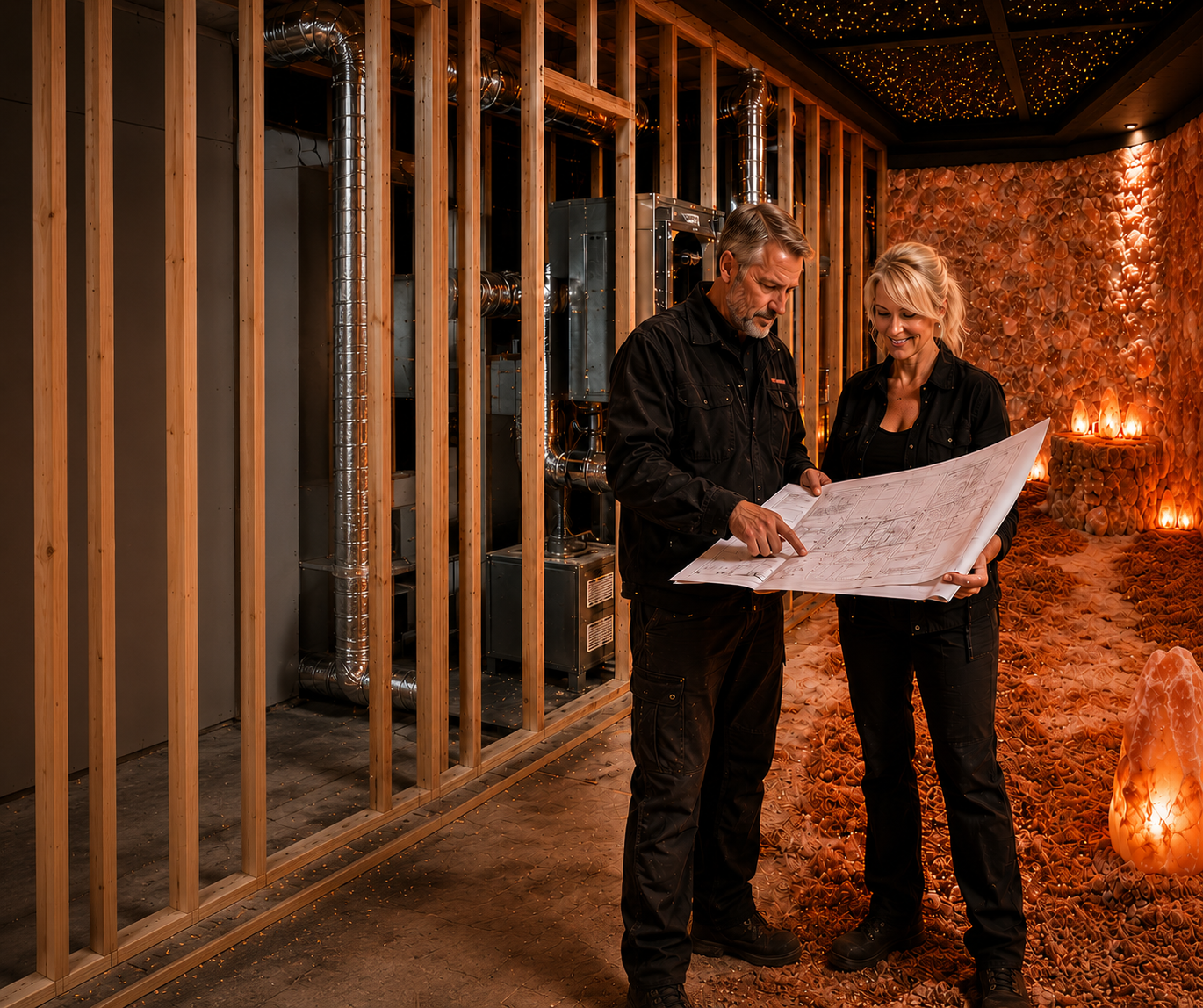
A real salt cave is designed from the ground up.
That means:
✔ Salt Where It Actually Matters
- All four walls
- Floor
- Integrated into the structure, not glued on as an afterthought
✔ No Random Design Choices
- No fabric soaking up salt particles
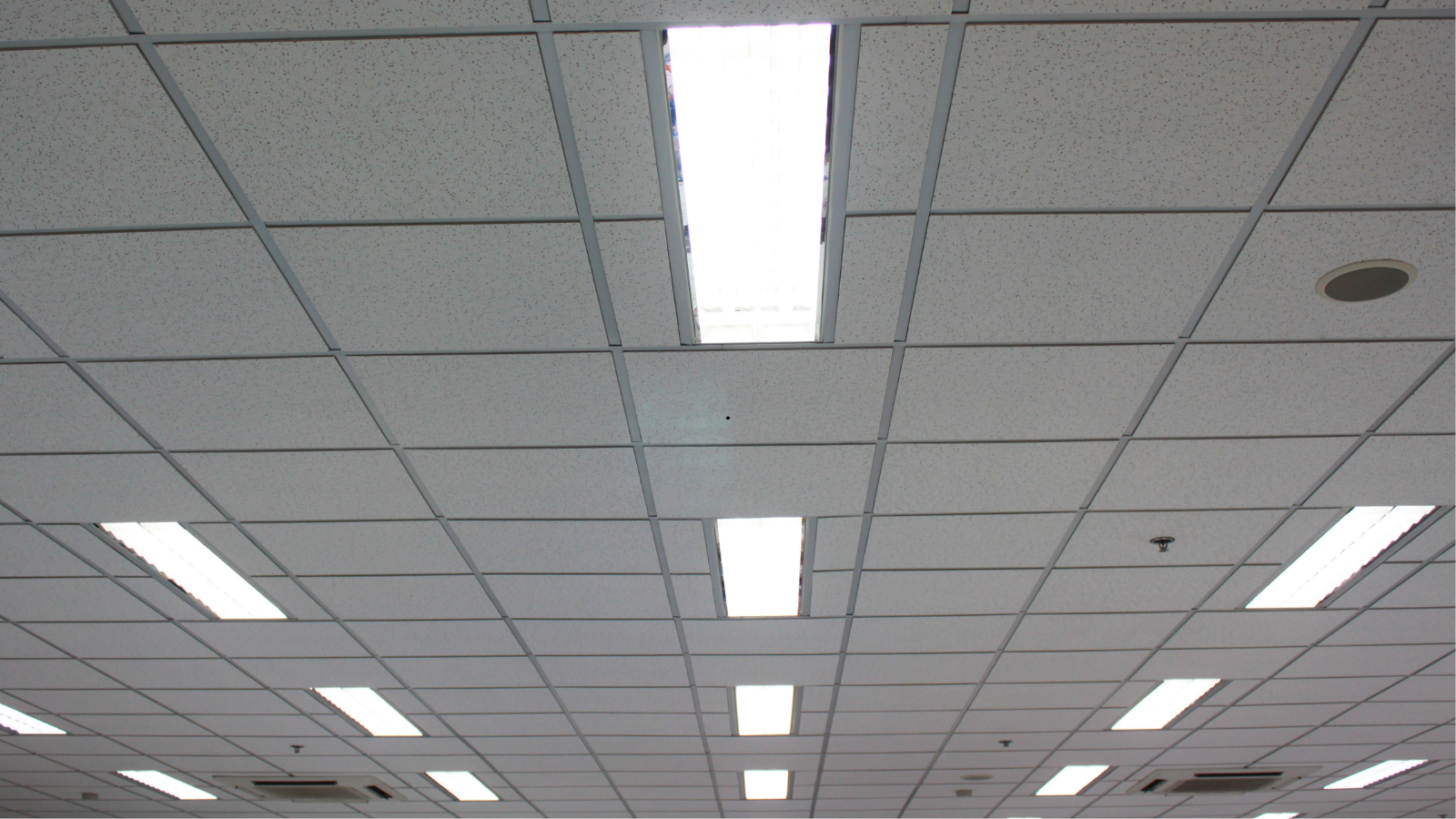
- No drop ceilings
- No exposed vents blowing air wherever they feel like
✔ A System That Actually Works
- A halogenerator (yes, that’s a real thing)
- Airflow that’s controlled, not chaotic
- A clean, dry environment
If those pieces aren’t there… you’re not getting halotherapy.
You’re getting… ambiance.
The “Wait a Second…” Moment
Let’s go back to you sitting in that questionable “salt cave.”
At some point, it hits you:
“Something feels off.”
That feeling?
Trust it.
Because your brain is picking up on what your eyes already saw:
- No salt on the walls
- No structure to the space
- No sense of intentional design
And suddenly, the original question comes back:
“Where’s the salt?”
Why This Keeps Happening
Simple answer?
Building a real salt cave takes effort.
It takes:
- Knowledge
- Experience
- Proper materials
- And a willingness to do it right
But building a fake one?
That’s easy.
Throw in some lighting. Add a few decorative elements. Call it “salt therapy.”
Done.
Until someone walks in… looks around… and starts asking questions.
So… How Do You Know It’s Real?
Next time you visit a salt cave, do a quick reality check.
Look Around:
- Do you see salt on all the walls?
- Does the space feel clean not dusty?
- Does it look professionally built, not pieced together?
Pay Attention:
- Are you breathing comfortably?
- Do you feel relaxed, not overwhelmed?
- Is there subtlety… or chaos?
Ask Yourself:
“Does this feel intentional… or improvised?”
Because real salt therapy feels different.
You don’t have to guess.
The Difference You Can Actually Feel
When a salt cave is built properly, everything changes.
You walk in…
And instead of asking:
“Where’s the salt?”
You’re thinking:
“Okay… now this is what I expected.”
The air feels clean.
The space feels grounded.
The experience feels… real.
No confusion. No second-guessing.
Just a quiet, noticeable difference.
Final Thought (From Someone Who’s Seen It All)
If you ever find yourself sitting in a “salt cave” wondering where the salt went…
Don’t worry.
You’re not the only one.
But now you know what to look for.
And more importantly…
You know what not to settle for.
Because salt therapy, when it’s done right, isn’t just another wellness trend.
It’s a carefully built experience.
And trust me
You can always tell the difference.