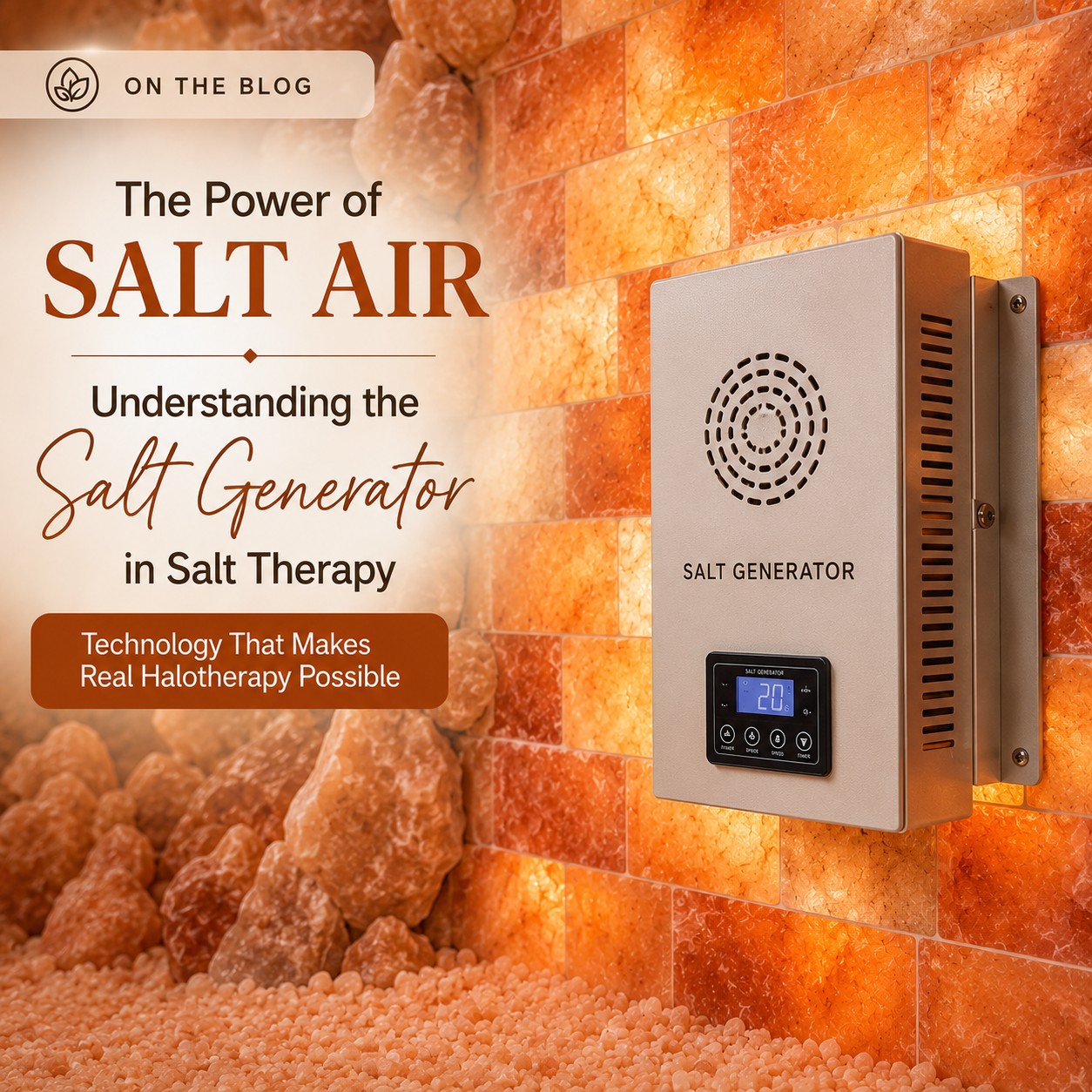
Salt Generator vs Brine Graduation Tower: Halotherapy Design Guide
Learn the real difference between salt generators and brine graduation towers. Discover why true halotherapy requires control of dry salt aerosol and how to design a therapeutic salt room correctly.
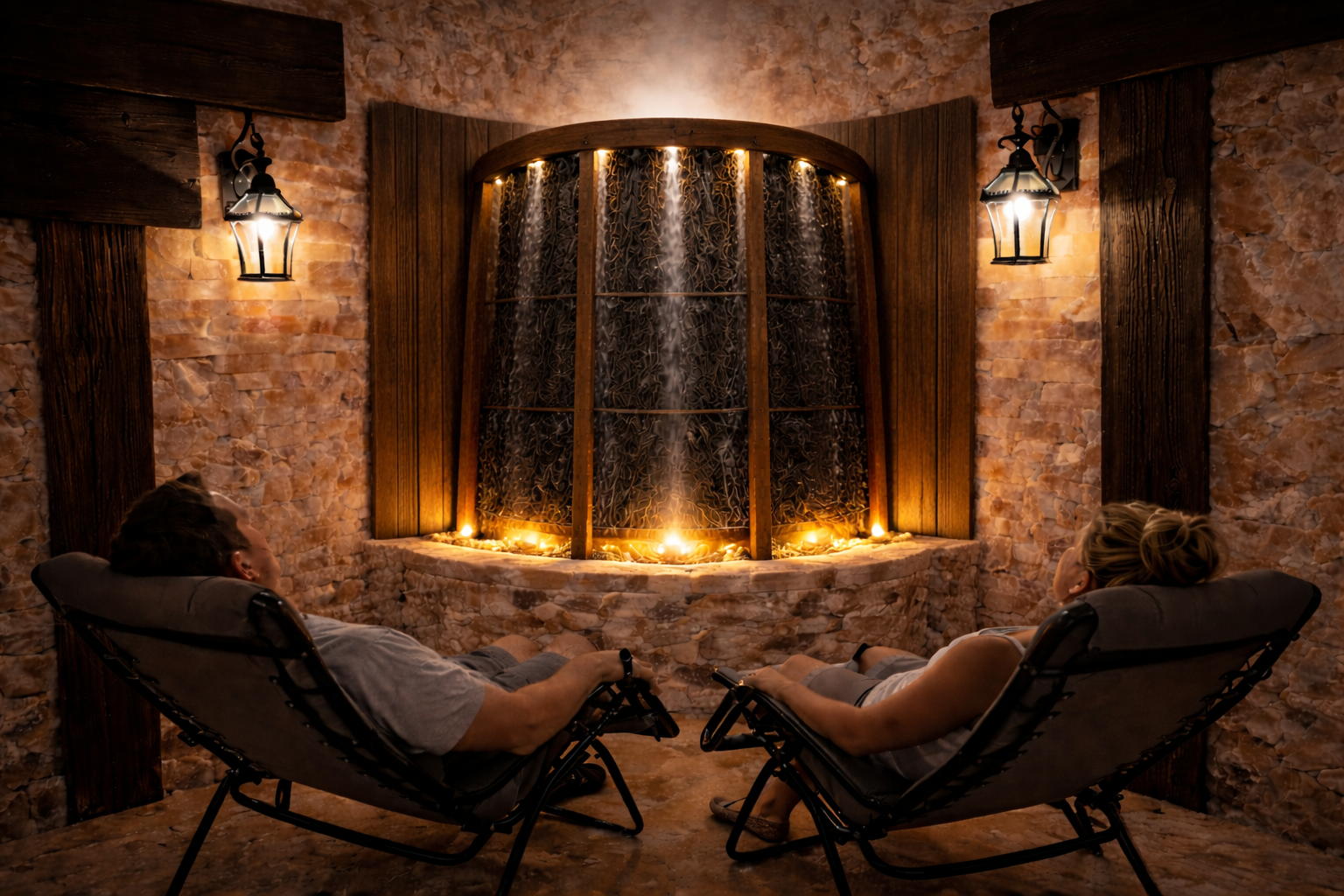
Salt Therapy Done Right: Why Your Choice Between a Salt Generator and a Brine Gradation Tower Matters More Than You Think
In the growing world of wellness design, salt rooms have become one of the most sought-after features for both residential and commercial spaces.
From high-end spas to boutique wellness centers and even private homes, the appeal is undeniable: a serene, mineral-rich environment that promises relaxation, respiratory support, and a unique sensory experience.
But here’s the truth: most people don’t realize until it’s too late that not all salt rooms are created equal.
In fact, one of the most critical decisions you will make when planning a salt space is choosing between two fundamentally different systems of salt delivery, the salt generator (halogenerator) and the brine graduation tower.
They may look similar on the surface, and both involve salt, but that’s where the similarity ends. These systems operate on completely different principles, require entirely different environmental conditions, and deliver vastly different results.
Understanding the difference is not just helpful, it’s essential.
The Core Question: What Is Your Goal?
Before diving into the technical distinctions, it’s important to start with a simple but powerful question:
Are you creating a relaxation room… or a therapeutic room?
This single decision will determine everything that follows, from the type of equipment you install to the climate control system you design.
- If your goal is ambiance, visual appeal, and a calming atmosphere, a brine graduation tower may be appropriate.
- If your goal is measurable therapeutic benefit, especially for respiratory health, then a salt generator is not optional — it’s required.
Trying to blur the line between the two is where costly mistakes happen.
What Is a Salt Generator (Halogenerator)?
A salt generator is the heart of a true halotherapy environment.
This device grinds pharmaceutical-grade salt into microscopic particles and disperses them into the air in a precisely controlled manner. The key here is control, both in terms of dosage and particle size.
These particles are small enough to be inhaled deep into the respiratory system, which is what makes halotherapy effective.
What Makes It Therapeutic?
A properly designed salt generator system provides:
- Consistent particle size (typically 1–5 microns)
- Controlled concentration levels
- Even distribution throughout the room
- Repeatable, measurable results
This is not guesswork. It’s engineered.
And because the system relies on dry aerosolized salt, it requires a strictly controlled dry environment. Humidity must be kept low to prevent the salt particles from clumping or falling out of suspension.
In other words, a therapeutic salt room is not just about adding salt; it’s about creating precise atmospheric conditions.
What Is a Brine Graduation Tower?
A brine graduation tower, on the other hand, is a completely different concept.
This system works by pumping saltwater (brine) over a structure, often made of branches or textured materials, allowing the water to trickle down while air moves across it.
The result is a gentle release of moisture and a subtle saline presence in the air.
What Does It Actually Deliver?
Despite common assumptions, a graduation tower does not create a therapeutic salt aerosol.
Instead, it produces:
- Large, heavy saltwater droplets
- Moist, humid air
- Minimal airborne salt inhalation benefit
These particles are too large to be inhaled deeply into the lungs. They fall quickly under gravity and do not remain meaningfully suspended in the air.
What you do get is:
- A calming visual feature
- The soothing sound of trickling water
- A mild sense of freshness
In other words, a graduation tower is about experience, not therapy.
The Myth of “Mineral-Enriched Air”
One of the most persistent misconceptions surrounding brine graduation towers is the idea that they “enrich the air with minerals.”
This claim is often repeated, but it doesn’t hold up under scrutiny.
Here’s why:
- The minerals in salt are not aerosolized in a meaningful way through this process.
- The droplets produced are too large to remain airborne long enough to be inhaled effectively.
- The same salt used in generators is often used in towers — there is no special “mineral advantage.”
So while the environment may feel refreshing, it does not provide the controlled, respirable mineral exposure associated with halotherapy.
Climate Control: The Hidden Factor That Changes Everything
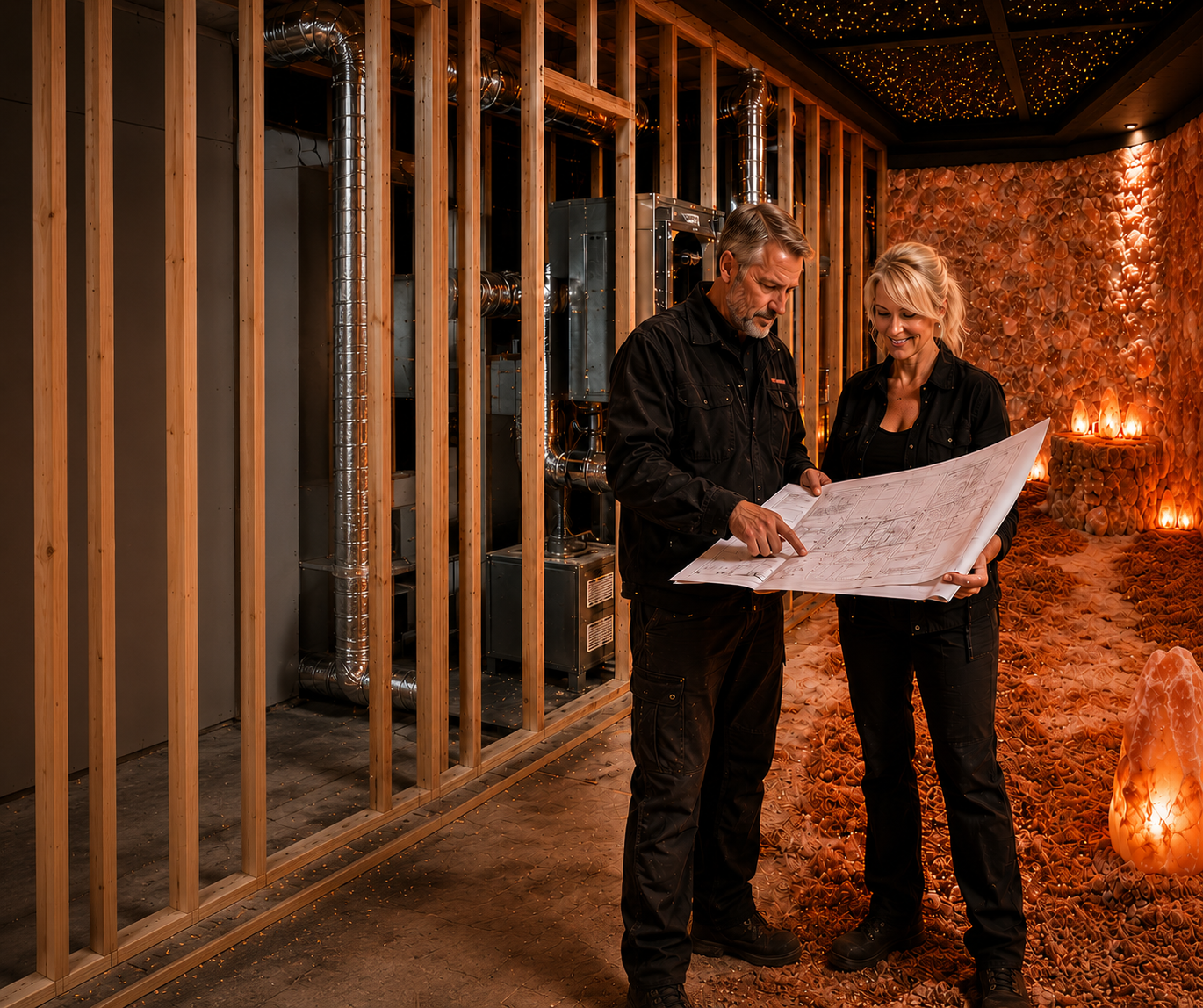
This is where things become even more critical, and where many projects go wrong.
Salt generators and brine graduation towers require opposite environmental conditions.
Salt Generator Environment:
- Low humidity (dry air)
- Controlled temperature
- Engineered airflow
- Sealed space for consistency
Graduation Tower Environment:
- High humidity (moist air)
- Open airflow
- Evaporation-friendly conditions
These two systems are fundamentally incompatible.
Combining them in the same room isn't just ineffective, it actively undermines both systems.
Why You Should Never Mix the Two
It may be tempting to think: “Why not have both? The ambiance of a tower and the therapy of a generator.”
But this approach doesn’t work.
Here’s what actually happens:
- The moisture from the graduation tower binds with the dry salt particles from the generator.
- This causes the particles to become heavier and fall out of the air.
- The therapeutic aerosol is effectively neutralized.
In simple terms:
They cancel each other out.
Instead of enhancing your space, you end up with a system that performs poorly on both fronts and a significant investment that doesn’t deliver.
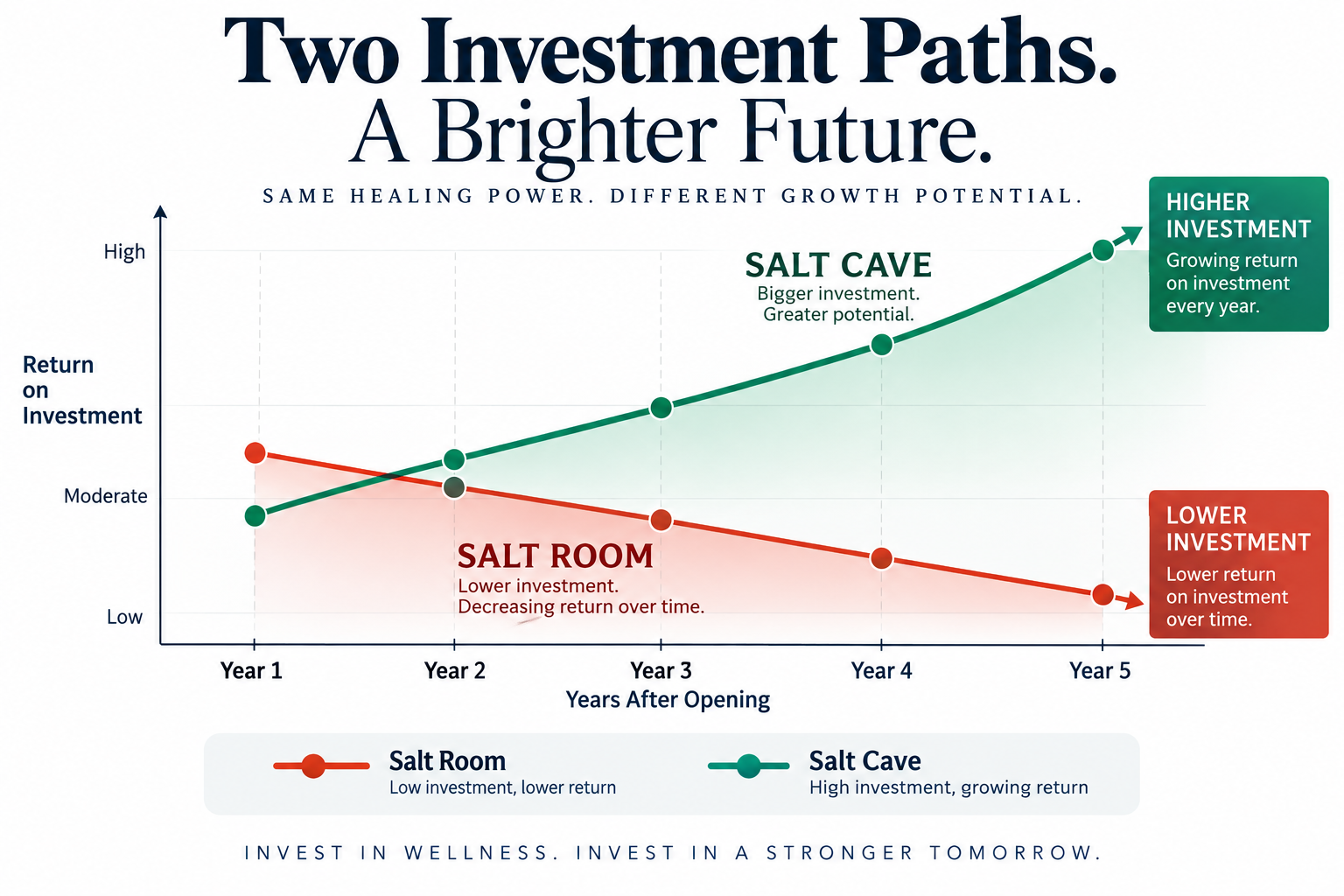
The Cost of Getting It Wrong
One of the most overlooked aspects of this decision is how difficult it is to reverse.
Switching from a brine graduation tower setup to a salt generator system is not a simple upgrade.
It typically requires:
- Rebuilding the entire climate control system
- Redesigning airflow and ventilation
- Addressing moisture damage or contamination
- Retrofitting the space for dry operation
This can be expensive, time-consuming, and disruptive — especially for commercial operations.
That’s why making the right choice from the beginning is so important.
A Note on Materials: Himalayan Salt and Brine Systems
Another important consideration is the type of salt used.
While Himalayan salt is widely appreciated for its appearance and composition, it is not recommended for use in brine graduation towers.
Why?
Because it contains natural clay and impurities that can:
- Cloud the water
- Clog the system
- Create maintenance challenges
This doesn’t mean Himalayan salt has no place in a salt room — it can be used for a microclimate, beautifully in walls, floors, and décor, but it is not ideal for brine-based systems.
Designing With Intention
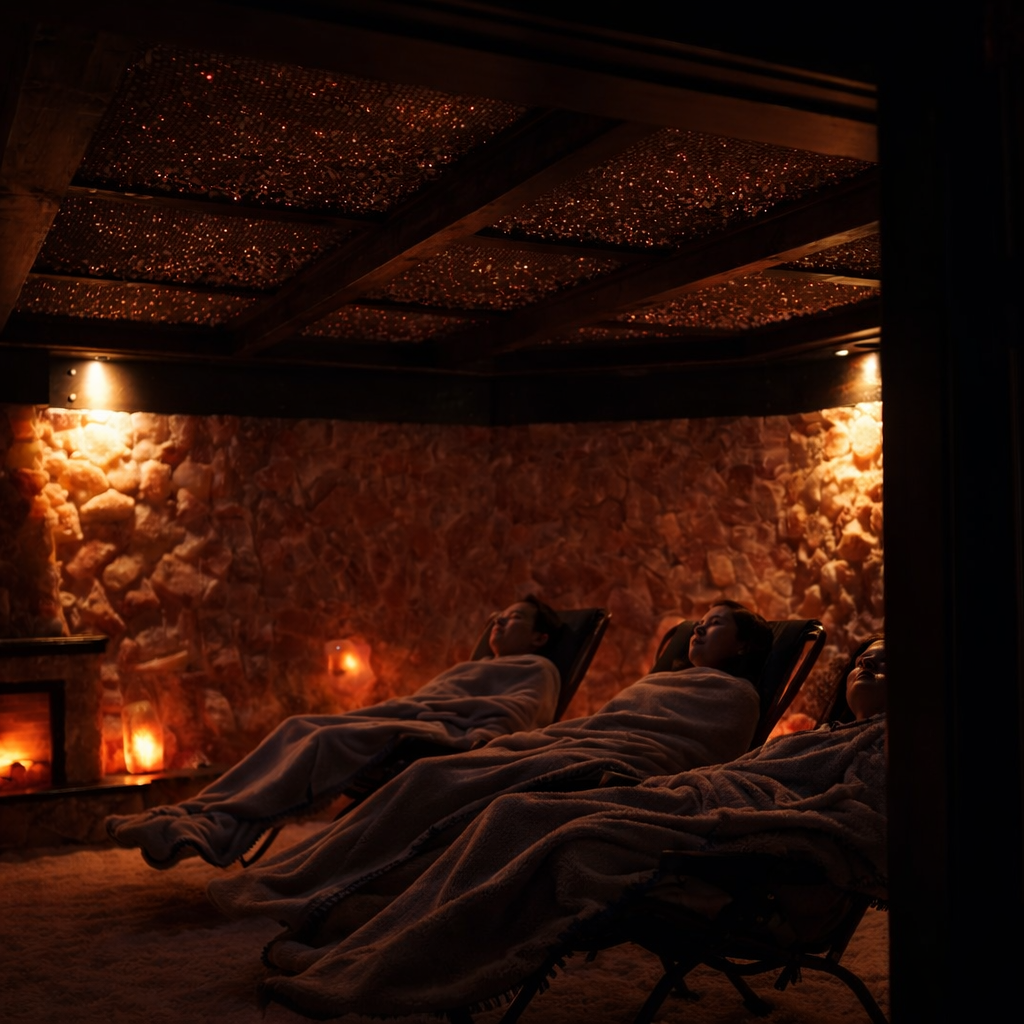
At the end of the day, the most successful salt rooms are the ones designed with clarity of purpose.
There is nothing wrong with creating a relaxation-focused environment. In fact, many clients specifically want a peaceful retreat, a place to unwind, recharge, and enjoy the ambiance of a salt-inspired space.
A brine graduation tower can be a stunning centerpiece for that kind of room.
But if your goal is to offer true halotherapy, with all the benefits that come from controlled salt inhalation, then a salt generator is essential, and the entire room must be designed to support it.
Making the Wise Decision
Choosing between a salt generator and a brine graduation tower is not about which one is “better.”
It’s about which one is right for your goal.
- Relaxation Room? A graduation tower can provide beauty, sound, and atmosphere.
- Therapeutic Room? A salt generator creates a controlled, effective environment.
It doesn’t work to combine the two or assume they deliver the same results.
They don’t.
And understanding that distinction is what separates a well-designed salt space from one that falls short.
Final Thoughts
The salt industry is full of beautiful imagery and compelling claims, but real results come from informed design and proper system selection.
If you’re planning a salt room, whether for your home, spa, or wellness center, take the time to define your purpose clearly.
Because once the system is installed, changing direction is not easy.
Design it right the first time.
Create a space that does exactly what you intend it to do.
And if you’re unsure which direction makes the most sense for your vision, it’s worth having a conversation with someone who understands both systems , not just from theory, but from real-world application.
The difference between relaxation and therapy isn’t just a detail.
It’s the entire foundation of your project.
For more information, please call 802-770-3138 www.saltcavebuilder.com, saltcavevt@gmail.com