Moisture Absorption in Salt Caves: How Salt Quality Affects Durability, Air Quality, and Long-Term Performance
Salt is hygroscopic, but not all salt behaves the same in a salt cave. Learn how moisture absorption works, why salt quality matters, and how proper materials and design protect your salt cave investment.

Moisture Absorption Behavior in Salt Caves: Why Salt Quality Matters More Than Most People Realize
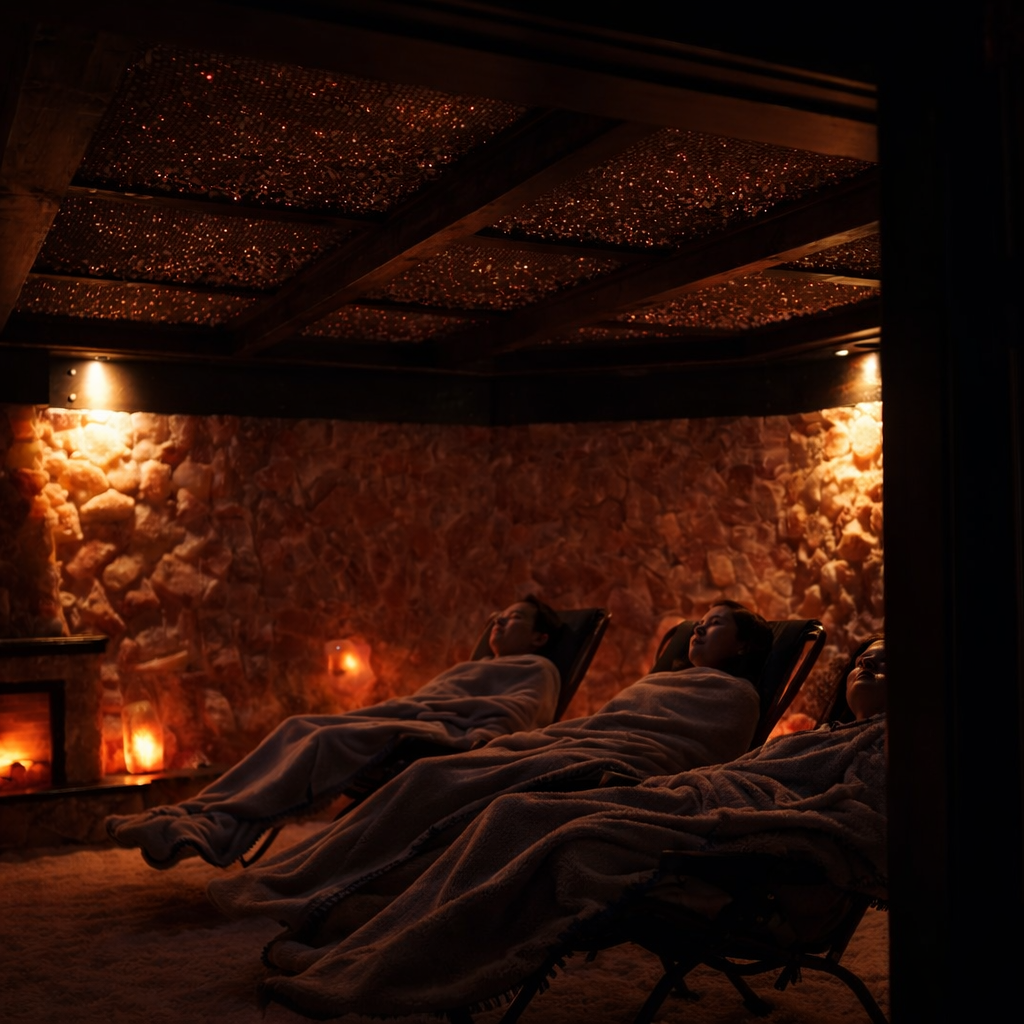
Salt caves have become a popular feature in wellness centers, spas, medical offices, and private homes.
Visitors are drawn to the calming atmosphere, warm glow, and clean, mineral-rich environment.
What many people don’t realize, however, is that the long-term success of a salt cave depends heavily on something most visitors never think about: how salt interacts with moisture.
Moisture absorption behavior is one of the most important factors affecting the durability, performance, and appearance of a salt cave. When the right salt is used and environmental conditions are properly managed, a salt cave can remain stable and beautiful for many years. When low-quality salt or improper materials are used, problems can appear much sooner than expected.
Understanding how salt behaves and why quality matters is essential for anyone planning to build, maintain, or upgrade a salt cave.
Salt Is Naturally Hygroscopic
Salt is hygroscopic, meaning it attracts moisture from the air. This is a natural and beneficial property when managed correctly. In a well-designed salt cave, this characteristic helps maintain a balanced, comfortable environment.
However, hygroscopic behavior varies across all salt products. The way salt absorbs and releases moisture depends on several factors, including:
-Purity of the salt
-Mineral composition
-Processing method
-Density and structure
-Storage conditions before installation
Two salt bricks may look similar at first glance, yet behave very differently once installed in a controlled environment.
This is where quality becomes critical.
Not All Salt Performs the Same
A common misconception is that all Himalayan or mineral salt is interchangeable. In reality, construction-grade salt must meet much higher standards than decorative or culinary salt.
High-quality, properly processed salt is stable and predictable. It absorbs minor moisture without breaking down, softening, or changing appearance.
Lower-grade salt often reacts differently. Over time, it may begin to:
- Soften
- Sweat or form damp surfaces
- Break down or crumble
- Discolor
- Lose structural integrity
These changes can occur gradually, and in many cases, operators do not recognize the cause until the damage becomes visible.
Why Poor-Quality Salt Creates Long-Term Problems
When salt begins to deteriorate due to moisture, several issues can develop that affect both performance and maintenance.
Structural Weakening
Salt bricks or panels that absorb too much moisture can weaken over time. Edges may round off, surfaces may flake, and some materials may even crumble. This not only affects appearance but can also require repairs or replacement.
Surface Sweating
One of the most common signs of low-quality salt is sweating. Moisture begins to collect on the surface, creating damp spots or sticky textures. This can interfere with lighting, damage nearby materials, and increase cleaning requirements.
Discoloration and Appearance Changes
Poorly processed salt may contain impurities or inconsistent mineral distribution. When exposed to humidity fluctuations, these salts can darken, stain, or lose their natural color, reducing the cave's visual appeal.
Environmental Instability
A salt cave is a carefully balanced environment. When materials begin reacting unpredictably to moisture, humidity levels can fluctuate, affecting equipment performance and the overall atmosphere of the space.
Increased Maintenance Costs
Lower-quality salt often results in more frequent repairs, replacements, and environmental adjustments. What may appear to be a cost savings during construction can become significantly more expensive over time.
What Makes High-Quality Salt Different
Professional-grade salt used in salt cave construction is selected and processed specifically for stability and durability. This preparation ensures the material performs reliably under controlled conditions.
High-quality salt typically offers:
-Low internal moisture content
-Dense, stable structure
-Consistent mineral composition
-Uniform color and texture
-Resistance to breakdown in controlled humidity
Proper processing and storage before installation are just as important as the raw material itself. Even good salt can be compromised if handled incorrectly before construction.
The Role of Humidity Control in Salt Caves
While salt quality is essential, environmental control is equally important. A salt cave should always be designed with moisture management in mind.
Key factors include:
Ventilation and Air Exchange
Proper airflow prevents humidity from accumulating and keeps conditions consistent.
Equipment Placement
Halogenerators and airflow systems must be positioned correctly to maintain balanced conditions.
Monitoring and Maintenance
Humidity levels should be monitored regularly to ensure the environment remains stable.
Even the highest-quality salt cannot perform reliably in an uncontrolled environment. Design and materials must work together.
Why Moisture Behavior Matters for Halotherapy
Salt caves are not only visual environments; they are functional therapeutic spaces. The condition of the salt directly affects the space's performance.
Stable salt surfaces and proper humidity levels help maintain:
-Consistent aerosol distribution
-Clean, dry air
-Comfortable breathing conditions
-Reliable equipment operation
When salt begins to soften or degrade, it can interfere with these factors, reducing the space's effectiveness.
The Hidden Costs of Choosing Cheap Materials
During construction, it can be tempting to choose lower-cost materials that appear similar to premium salt. However, many of the most expensive problems in salt caves develop months or years after installation.
Hidden costs may include:
-Replacement of deteriorated salt walls
-Repairs to flooring or decorative features
-Increased humidity control expenses
-Downtime for maintenance
-Reduced customer confidence due to visible wear.
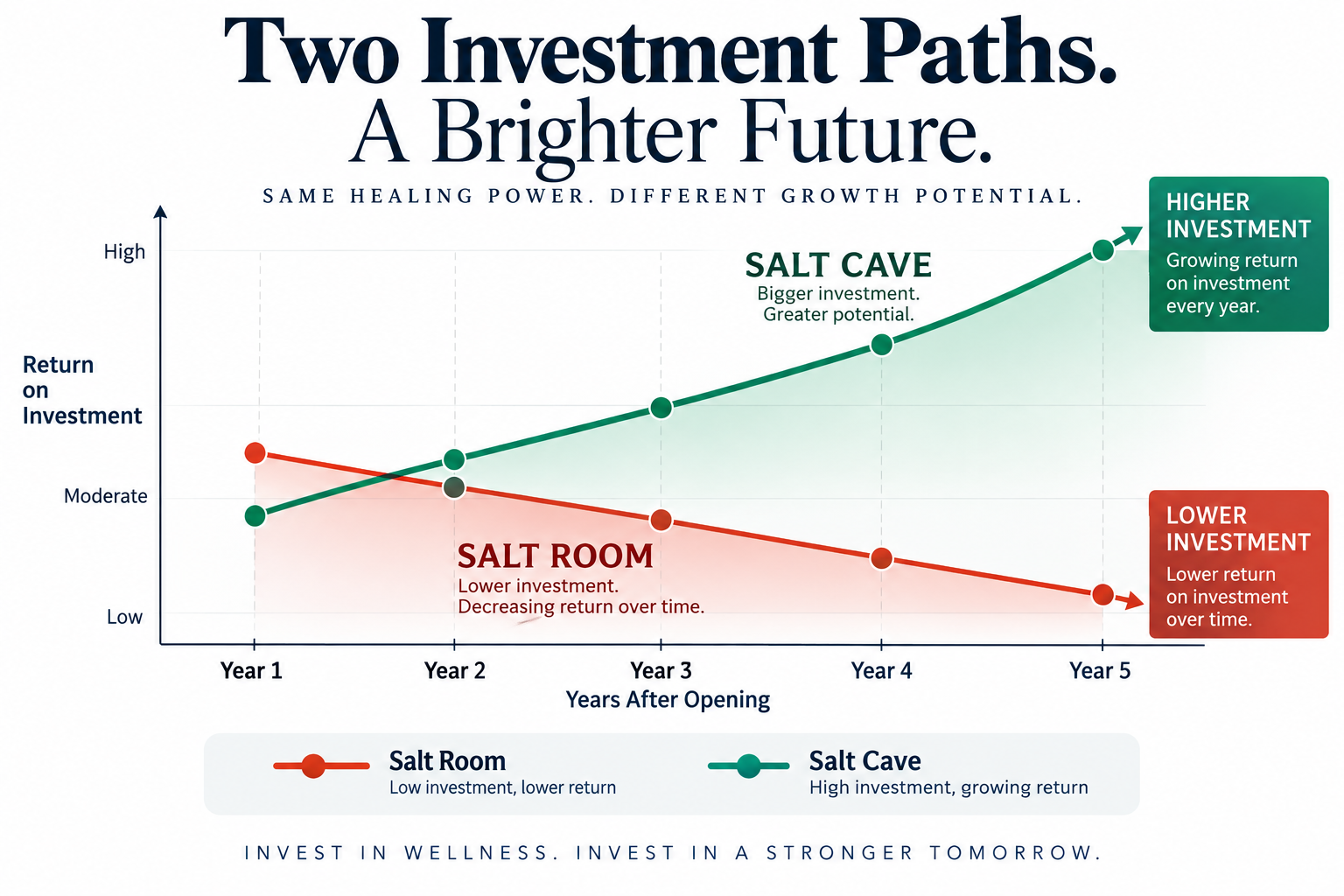
A salt cave is a long-term investment. Materials that last longer and perform consistently almost always provide better value over time.
How to Recognize Early Signs of Moisture Problems
Operators and owners can watch for several warning signs that may indicate salt quality or humidity issues:
-Damp or sticky wall surfaces
-Salt dust is accumulating unusually fast
-Uneven coloration or dark spots
-Softening or rounding edges on bricks
-Persistent humidity fluctuations
Addressing these signs early can prevent larger repairs later.
Why Professional Design Matters
Salt caves are sometimes underestimated as simple decorative spaces, but they are specialized environments that require knowledge of materials, airflow, humidity, and structural considerations.
Professional design helps ensure:
-Correct salt selection
-Proper wall and flooring systems
-Balanced airflow
-Long-term structural stability
-Efficient maintenance
A well-designed cave often requires less maintenance and performs more consistently for years.
Long-Term Performance Is the Real Measure of Quality
Many salt caves look beautiful on the day they open. The real difference between a well-built cave and a poorly built one becomes clear over time.
After several years, a high-quality installation typically still has:
-Strong, stable salt walls
-Even color and texture
-Minimal repairs
-Consistent environmental conditions
Lower-quality installations often begin showing deterioration much sooner.
This is why material selection and design decisions at the beginning of a project are so important.
The Importance of Experience in Salt Cave Construction
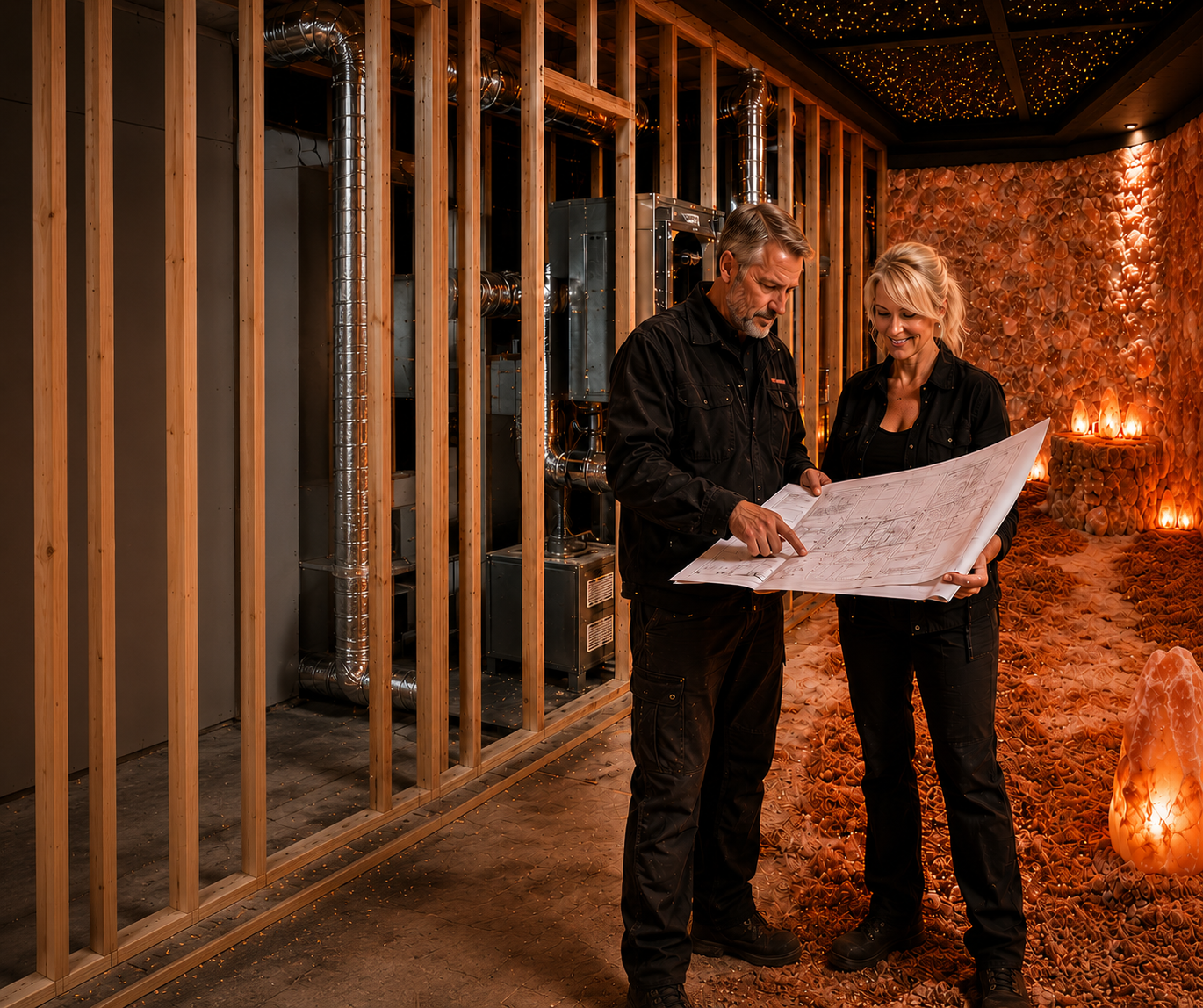
Building a salt cave involves more than choosing salt bricks and arranging lighting. Every element—from moisture control to airflow to structural support plays a role in long-term success.
Experience allows builders to:
-Select materials that perform reliably
-Avoid common construction mistakes
-Design caves that maintain stable conditions
-Prevent costly repairs down the road
Even small details, such as storage conditions before installation, can make a significant difference.
Planning a Salt Cave the Right Way
Anyone considering a salt cave, whether for a wellness center, spa, clinic, or private residence, should think beyond appearance.
Important questions to consider include:
-What grade of salt is being used?
-How is humidity being controlled?
-What materials are behind the salt walls?
-How is airflow designed?
-What maintenance will be required over time?
The answers to these questions often determine whether a cave remains successful for years or begins to experience problems early.
Final Thoughts
Moisture absorption behavior is one of the most critical yet least understood aspects of salt cave construction.
Salt is naturally hygroscopic, but quality, processing, and environmental control determine whether that characteristic becomes an advantage or a problem.
High-quality salt, combined with proper design and humidity management, creates a stable, durable, and beautiful environment that can last for many years. Lower-quality materials may look similar at first, but over time, the difference becomes clear in performance, maintenance, and appearance.
For anyone planning a new salt cave or experiencing issues in an existing one, getting knowledgeable guidance early can prevent costly mistakes and ensure long-term success.
Speaking with someone who understands materials, moisture behavior, and construction methods can provide clarity and help avoid problems that are difficult to fix later.
Dr. Margaret Smiechowski, saltcavevt@gmail.com, www.saltcavebuilder.com 802-770-3138