Salt Cave Builder Guide: Professional Salt Room Construction Explained
Thinking about building a salt cave? Learn how professional salt cave builders design halotherapy rooms that work properly.
Salt Cave Builder Guide: Professional Salt Room Construction for Halotherapy
Salt therapy, also known as halotherapy, has become one of the fastest-growing wellness experiences in the United States. Salt rooms and salt caves are appearing in spas, wellness centers, and medical clinics across the country as people seek natural ways to relax and support respiratory health.
However, as the popularity of halotherapy grows, many facilities are discovering that building a proper salt room requires far more than decorative salt bricks and a halotherapy machine. True halotherapy environments require specialized design, construction knowledge, and climate control systems.
This is where a professional salt cave builder becomes essential.
Salt room construction involves carefully designing an environment where microscopic salt particles can circulate effectively in the air.
When the room is not built correctly, salt simply settles onto the floor rather than remaining suspended during therapy sessions.
A professionally designed salt cave must integrate salt walls, airflow, humidity control, and proper building materials so the space functions as a true therapeutic environment.
What Is a Salt Cave Builder?
A salt cave builder is a specialist who designs and constructs therapeutic halotherapy environments. Unlike general contractors, salt cave builders understand how salt interacts with building materials, ventilation systems, and electrical installations.
Building a salt room is not the same as installing decorative salt panels on the walls. The space must be engineered to keep salt particles suspended in the air while protecting the building's structure from salt exposure.
Professional salt cave builders typically focus on several key aspects of construction:
- Designing the layout of the halotherapy room
- Installing Himalayan salt brick or block walls
- Creating controlled airflow systems
- Managing humidity and temperature levels
- Selecting salt-compatible materials and lighting
- Installing halotherapy salt generators
Without these elements working together, a salt room may look beautiful, but it will not function as an effective halotherapy environment.
The History of Salt Cave Construction and Halotherapy
Salt therapy has its roots in Eastern Europe, where natural salt mines have long been known for their unique microclimate. Workers in these mines were observed to have fewer respiratory conditions, which led researchers to study the therapeutic effects of salt environments.
Over time, this research led to the development of modern halotherapy, where controlled environments replicate the conditions found in natural salt caves.
In the United States, modern salt caves began appearing in wellness centers in the late 1990s and early 2000s.
Early pioneer Dr. Margaret Smiechowski of the industry helped introduce the concept of simulated salt caves, bringing the benefits of halotherapy to a wider audience.
Today, salt rooms are used in spas, medical wellness centers, yoga studios, and relaxation spaces across the country. As demand grows, the importance of proper salt room construction has become increasingly clear.
What Makes a Real Salt Room? Key Elements of Proper Salt Room Construction
A real halotherapy environment requires several components working together. Salt caves that lack these elements may appear authentic, but cannot deliver the intended experience.
Professional salt room construction typically includes:
- Himalayan salt brick or block walls
- Salt flooring or loose salt surfaces
- A halotherapy salt generator
- Dedicated airflow and ventilation design
- Controlled humidity and temperature
- Salt-compatible lighting systems
- Materials resistant to salt corrosion
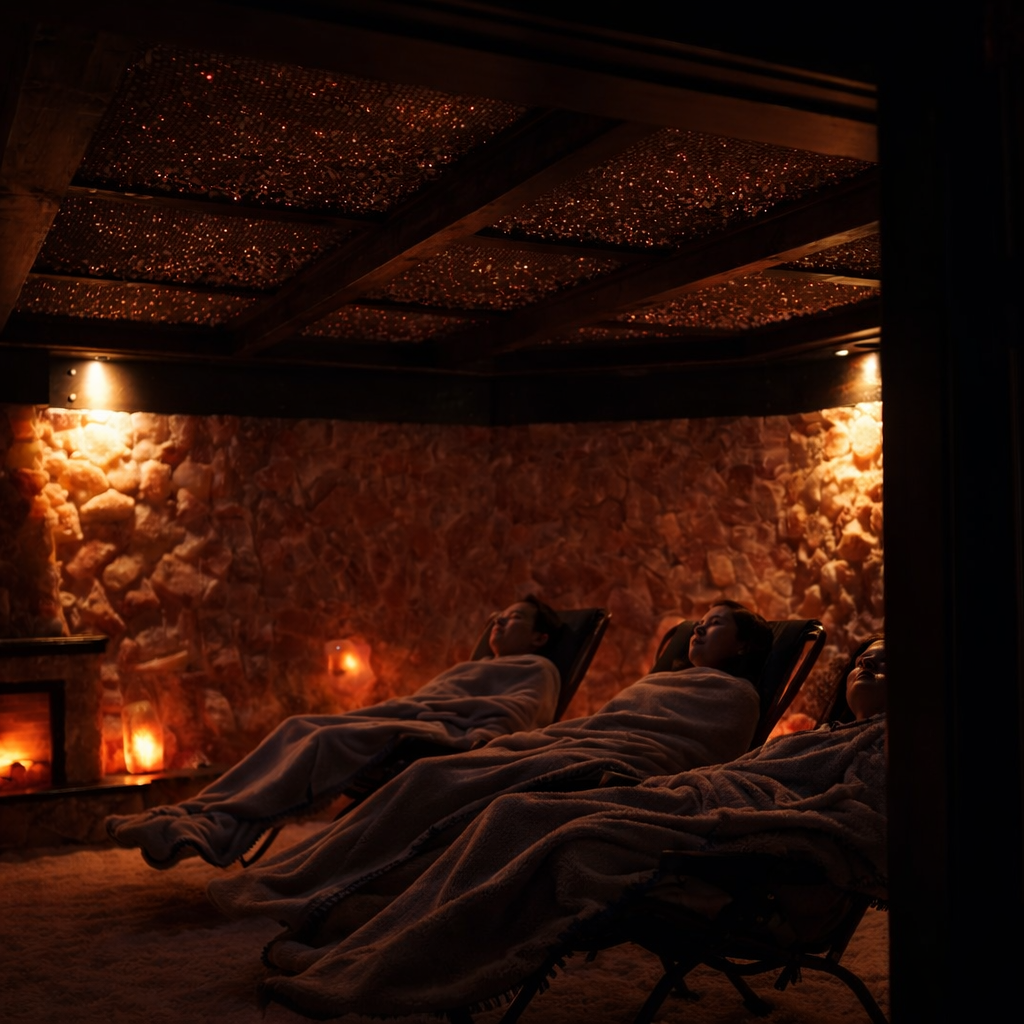
Salt walls are one of the most recognizable and essential features of a real salt cave. They are not simply decorative; they contribute to the environment and are a core component of the design.
“The salt walls are a major component of a properly designed salt cave,” explains salt therapy expert Dr. Margaret Smiechowski. “A salt room needs all of its components working together to function correctly.”
Without proper airflow and climate control, salt particles quickly fall to the floor rather than remaining suspended in the air during therapy sessions.
Salt Room Construction Mistakes Businesses Should Avoid
As salt therapy grows in popularity, some salt rooms are being built without fully understanding how halotherapy environments work.
These construction mistakes can reduce the room's effectiveness and even create maintenance issues for the building.
Salt Rooms Built Without Salt Walls
One of the most surprising mistakes is building salt rooms without salt on the walls.
Removing the salt walls eliminates one of the most recognizable and important components of a true salt cave environment.
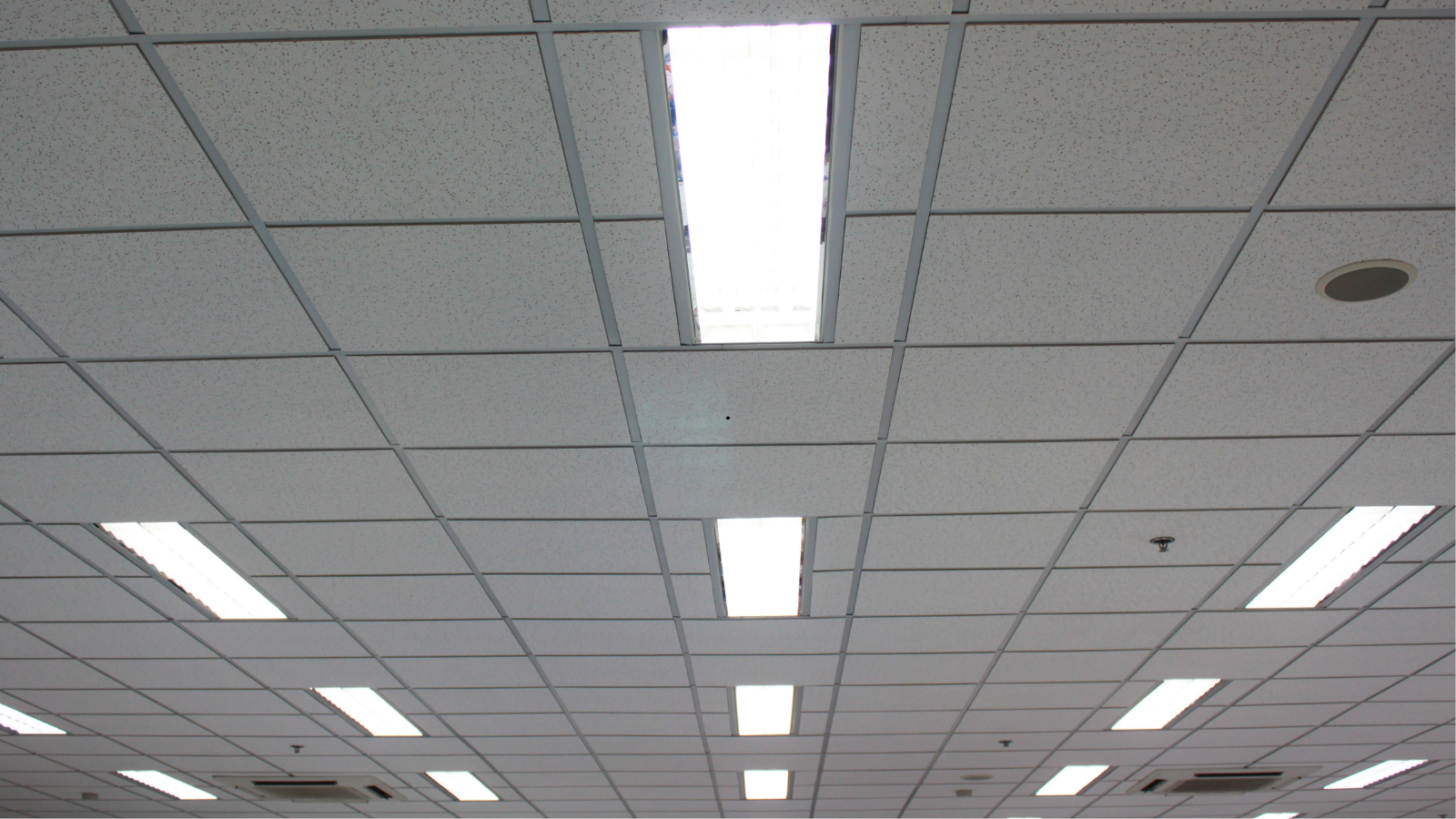
Drop Ceilings Inside Salt Rooms
Drop ceilings can create serious problems in salt rooms. Salt particles circulating in the air may travel above ceiling panels and interact with metal structural components.
Over time, this exposure can lead to corrosion.
Visible air-conditioning vents or ceiling HVAC grilles often indicate that the room is not using a climate-control system designed specifically for halotherapy environments.
Salt rooms require specialized airflow to maintain the proper balance of humidity and circulation.
Decorative Materials That Break Down
Salt rooms sometimes include decorative items that do not belong in a halotherapy environment.
Materials such as fabric decorations, pillows, or organic materials can break down when exposed to salt over time.
As these materials deteriorate, they may release particles into the air that reduce indoor air quality.
How Halotherapy Rooms Actually Work
Halotherapy relies on the dispersion of microscopic dry salt particles into the air. These particles are typically produced by a device called a halotherapy salt generator.
The generator crushes pharmaceutical-grade salt into extremely fine particles and releases them into the room. Airflow and ventilation systems then circulate these particles throughout the space.
For halotherapy to work effectively, the room must maintain a controlled environment.
Humidity levels must remain low, and airflow must keep the particles suspended long enough for participants to inhale them.
If the environment is not properly controlled, the salt particles quickly absorb moisture or fall to the ground. When this happens, the therapy session becomes far less effective.
Why Hiring a Professional Salt Cave Builder With Credentials Matters
Salt environments are unique and can interact with building materials in ways that typical construction does not account for.
A professional salt cave builder understands how to design rooms that function properly while protecting the building's surrounding structure.
Key considerations include:
- Preventing corrosion in structural materials
- Designing ventilation systems for salt environments
- Selecting lighting and electrical components that meet safety standards
- Ensuring proper humidity levels for halotherapy
Without this knowledge, businesses may end up with a decorative salt room that does not function as a therapeutic environment.
How to Build a Salt Room for a Wellness Center or Spa
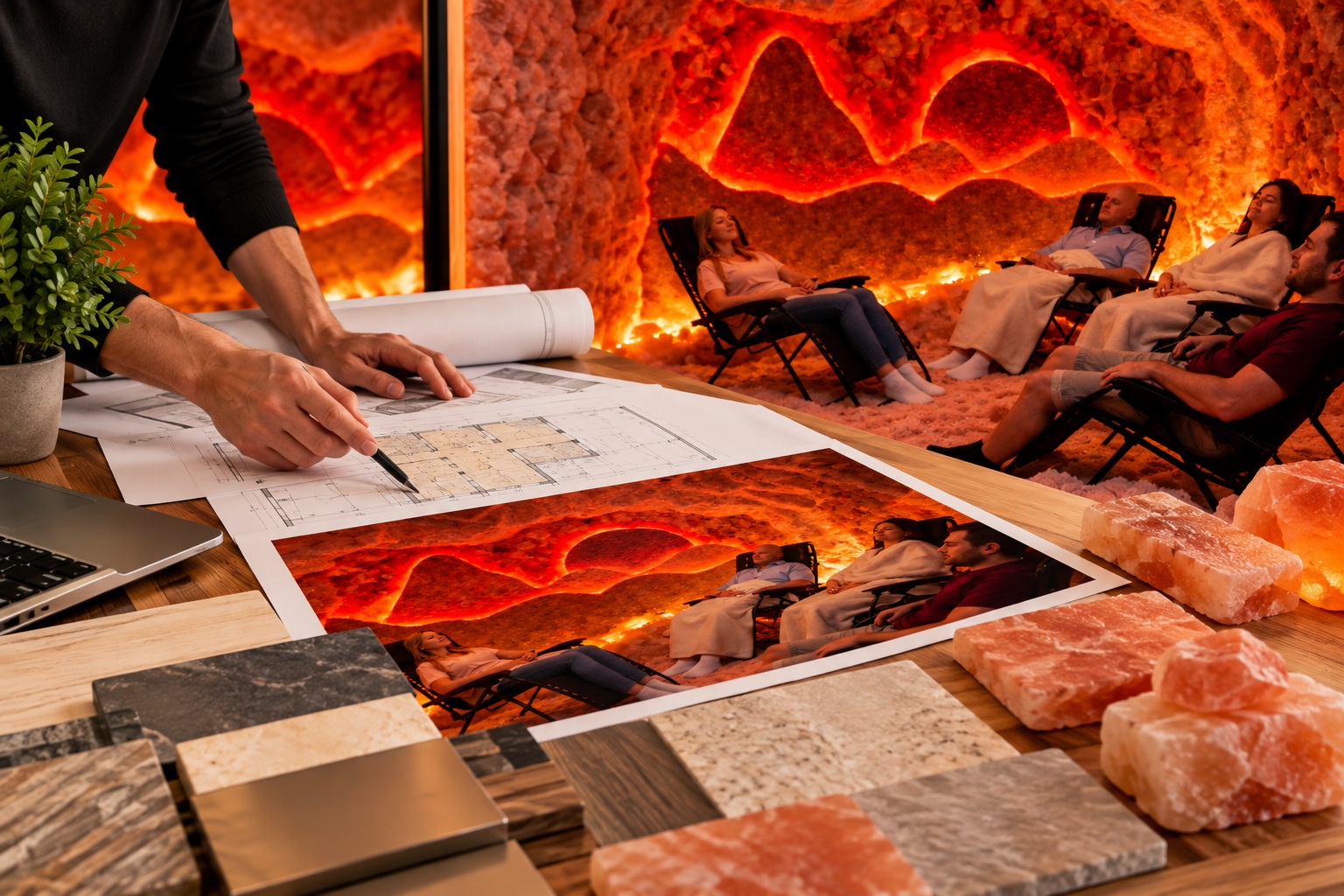
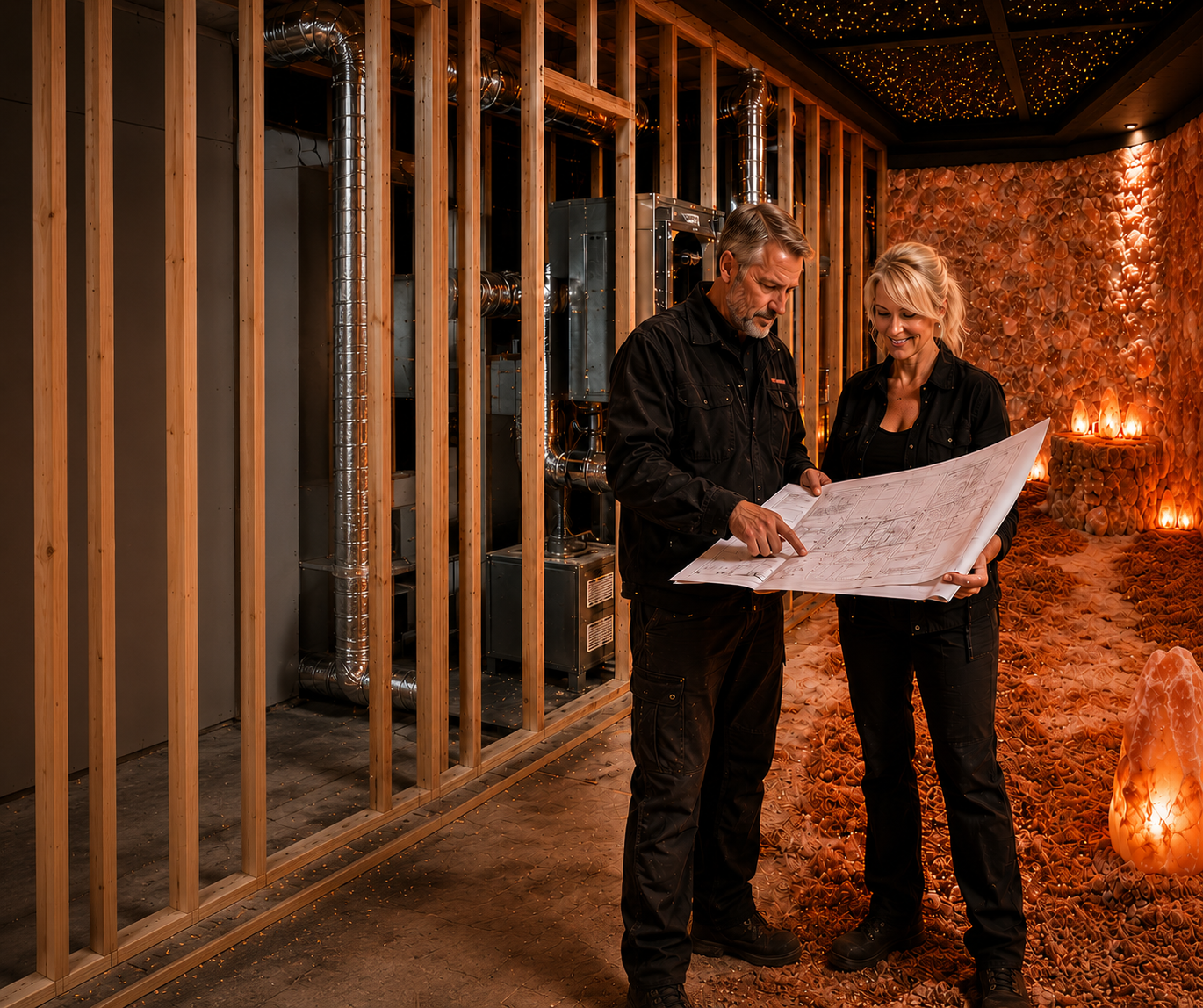
Building a salt room typically begins with a design phase where the layout of the space is carefully planned.
The construction process generally includes several steps:
- Designing the room layout and airflow plan
- Installing Himalayan salt brick or block walls
- Preparing the salt floor or loose salt base
- Installing a halotherapy salt generator
- Implementing a climate control system
- Installing lighting and electrical components designed for salt environments
Each step must be coordinated carefully to ensure the room functions as a true halotherapy environment.
How to Identify a Properly Designed Salt Cave
For consumers interested in experiencing halotherapy, it can be helpful to know what a properly designed salt room looks like.
A professionally built salt cave should:
- include visible salt brick walls
- maintain controlled airflow and humidity
- avoid visible air-conditioning vents in the ceiling
- avoid fabric decorations or organic materials
- use specialized halotherapy equipment
Even rooms that appear authentic with salt on the floor and walls may lack the environmental controls required for effective halotherapy.
The Future of Salt Room Construction
As interest in natural wellness continues to grow, salt therapy is becoming an increasingly popular addition to spas, wellness centers, and medical practices.
However, the industry's growth also underscores the importance of proper salt cave construction.
As more facilities install halotherapy rooms, the demand for knowledgeable salt cave builders continues to increase.
Businesses that invest in professional design and construction are more likely to create spaces that function effectively and provide long-term value.
Work With an Experienced Salt Cave Builder
If you are planning to build a salt cave or install a halotherapy room, working with an experienced salt cave builder can help ensure the project is properly designed from the outset.
Proper salt room construction protects the building, ensures the halotherapy environment functions properly, and creates a space where clients can experience the relaxing atmosphere that salt caves are known for.
For more information about professional salt cave construction and halotherapy room design, contact:
Dr. Margaret Smiechowski
Salt Cave Inc.
📞 802-770-3138
🌐www.saltcavebuilder.com
FAQ About Salt Cave Builders and Salt Room Construction
What does a salt cave builder do?
A salt cave builder designs and constructs halotherapy environments using salt walls, salt flooring, airflow systems, and specialized salt generators.
Do salt rooms need climate control?
Yes. Proper humidity and airflow are essential for keeping salt particles suspended in the air during halotherapy sessions.
Can a contractor build a salt room?
Salt rooms require specialized knowledge of halotherapy environments and salt-compatible construction materials, so experienced salt cave builders are recommended.
How much does salt room construction cost?
Costs vary depending on the size of the room, materials used, and the type of halotherapy system installed.