The Woman Behind America's Salt Cave Movement | Dr. Margaret Smiechowski
Learn how Dr. Margaret Smiechowski helped introduce salt therapy and salt caves to the United States and became a pioneer in the halotherapy industry.
The Woman Behind America's Salt Cave Movement: How Dr. Margaret Smiechowski Helped Bring Salt Therapy to the United States
Today, salt caves can be found in wellness centers, spas, resorts, medical wellness facilities, and private homes throughout the United States. Thousands of people visit salt rooms every day seeking relaxation, wellness experiences, and time away from the stresses of modern life.
What many people don't realize is that just a few decades ago, most Americans had never heard the term "salt therapy."
Long before salt caves became a growing wellness trend, Dr. Margaret Smiechowski was introducing Americans to the concept of therapeutic salt environments inspired by the historic salt mines of Eastern Europe.
More than twenty years later, her influence can still be seen throughout the salt therapy industry.
A Journey That Began in Poland
Dr. Margaret Smiechowski grew up in Poland, where the history of salt therapy runs deep.
For centuries, underground salt mines such as the famous Wieliczka Salt Mine attracted visitors interested in the unique environment created by natural salt formations. These remarkable spaces inspired generations of researchers and wellness professionals and eventually became the foundation for modern halotherapy.
When Dr. Margaret came to the United States, she saw an opportunity to introduce Americans to an experience that was largely unknown at the time.
However, bringing salt therapy to America would require much more than simply importing Himalayan salt.
It would require education, innovation, research, and a completely new approach to wellness design.
Introducing Salt Therapy to America
When Dr. Margaret began discussing salt caves and halotherapy in the United States, very few people understood the concept.
Many wellness professionals had never heard of a salt cave.
Others viewed the idea as too unusual or too complicated.
Rather than giving up, Dr. Margaret dedicated years to researching how to recreate authentic salt cave environments in modern buildings while preserving the atmosphere and principles that inspired the original salt mines.
What followed was years of experimentation, design development, and engineering improvements that helped establish the foundation of modern salt cave construction in America.
Today, many of the features people associate with professional salt caves are the result of innovations developed and refined during those early years.
More Than Salt on the Walls
One of the biggest misconceptions about salt therapy is the belief that adding a decorative salt wall automatically creates a therapeutic environment.
According to Dr. Margaret, authentic salt caves are much more complex.
A true salt cave combines multiple elements working together:
- Extensive Himalayan salt coverage
- Proper climate control
- Specialized halotherapy equipment
- Controlled airflow
- Appropriate room design
- Safety considerations
- Long-term durability
Creating the right environment requires careful planning and attention to detail.
"A salt cave should be more than a room with salt," says Dr. Margaret. "It should be an experience."
This philosophy has become one of the defining principles behind her work.
Creating Wellness Destinations
As the industry evolved, Dr. Margaret began focusing on something many designers overlooked.
She realized that people were looking for more than wellness services.
They were looking for experiences.
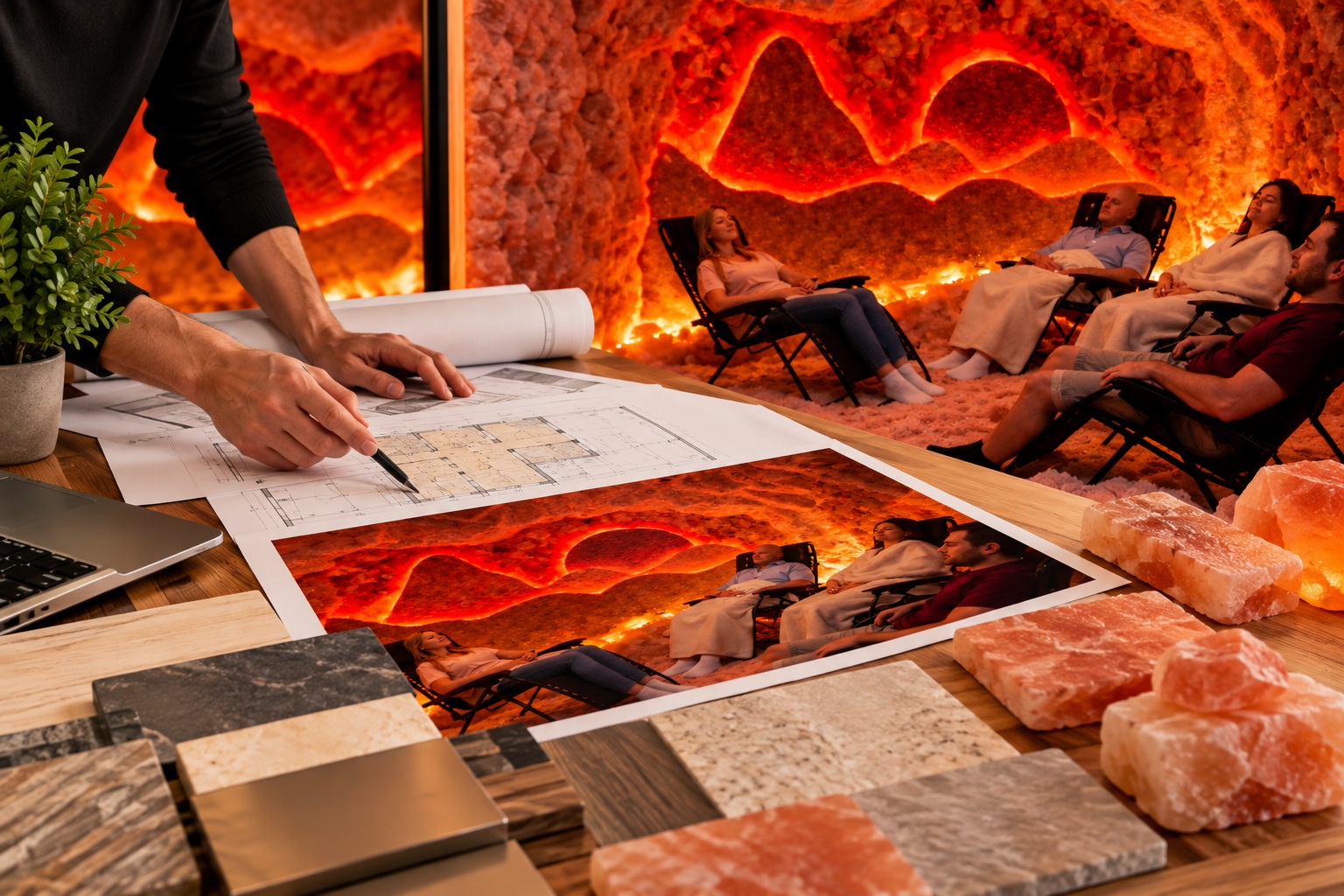
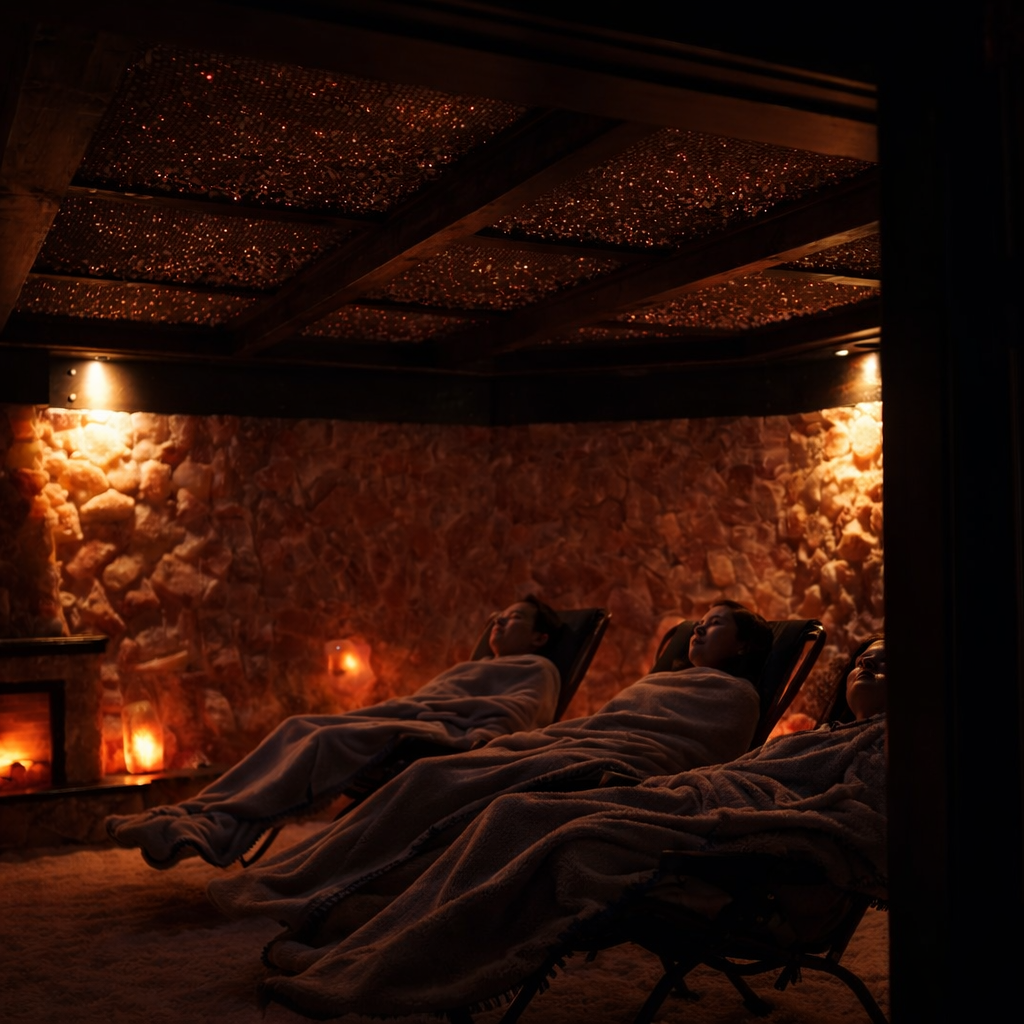
Instead of creating clinical-looking treatment spaces, she focused on designing immersive environments that immediately transported guests into a different world.
Warm lighting.
Glowing Himalayan salt walls.
Fiber-optic star ceilings.
Comfortable seating.
Natural textures.
Custom architectural features.
The result was a new generation of salt caves that blended wellness, relaxation, and visual beauty.
Today, many wellness centers use salt caves not only as a service but as a signature attraction that differentiates their business from competitors.
Raising the Standards of Salt Cave Construction
As salt therapy became more popular, more businesses entered the industry.
While this growth helped introduce salt therapy to a larger audience, it also created challenges.
Not every salt room was being designed with the same attention to detail.
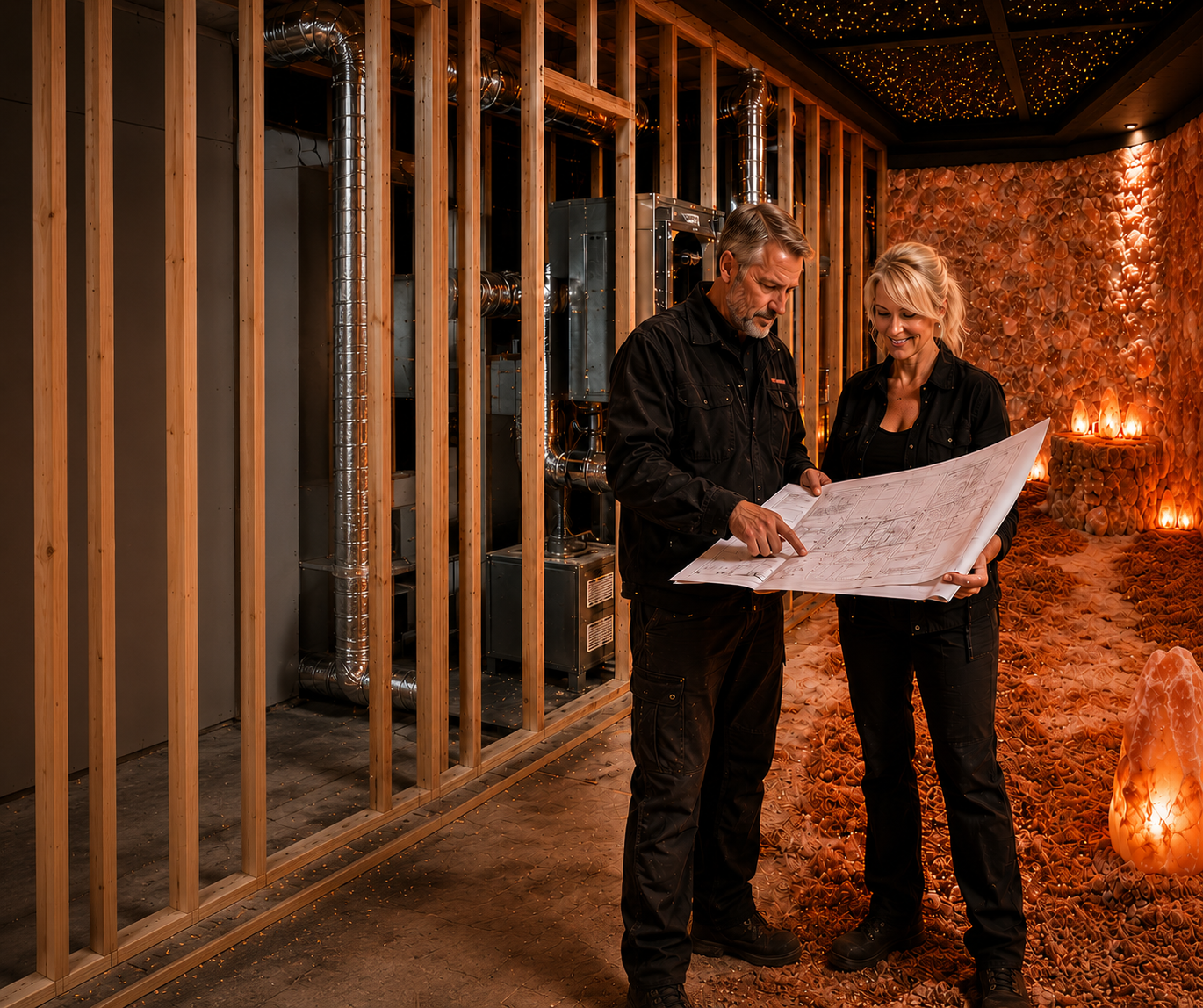
Over the years, Dr. Margaret has been called upon to evaluate projects that suffered from design flaws, environmental control issues, and construction challenges.
These experiences reinforced her belief that education remains one of the most important factors in the industry's future.
Business owners often focus on the appearance of a room while overlooking critical components that affect long-term performance.
Climate control systems.
Airflow management.
Material selection.
Maintenance requirements.
Building-code compliance.
These factors may not be visible to guests, but they play a major role in the success of a salt cave.
Innovation Beyond Salt Therapy
Throughout her career, Dr. Margaret has consistently explored new ways to enhance the guest experience.
Many concepts that are now commonly found in wellness centers were introduced through her work years earlier.
Private salt cave sessions.
Sound healing inside salt caves.
Meditation programs.
Integrated wellness experiences.
Combining multiple wellness modalities within a carefully designed environment has helped businesses create unique offerings while providing guests with memorable experiences.
The focus has always remained the same: creating spaces where people can disconnect from stress and reconnect with themselves.
Why Experience Matters
The wellness industry has changed dramatically over the past decade.
Consumers today are no longer looking only for treatments.
They are looking for destinations.
They want spaces that feel special.
They want environments that inspire relaxation.
They want experiences worth sharing with friends and family.
This shift has made immersive wellness design more important than ever.
Dr. Margaret recognized this trend long before it became mainstream.
Her projects continue to demonstrate that thoughtful design can transform an ordinary room into an extraordinary experience.
Looking Toward the Future
As interest in wellness continues to grow, the future of salt therapy appears brighter than ever.
New wellness centers continue to open.
Existing spas are expanding their services.
Consumers are increasingly seeking experiences that combine relaxation, self-care, and unique environments.
For Dr. Margaret, the industry's future depends on maintaining a commitment to quality and education.
She encourages future business owners to learn about the history of halotherapy, understand the principles behind salt cave design, and work with experienced professionals who understand both the artistic and technical aspects of creating therapeutic environments.
A Lasting Legacy
More than twenty years after helping introduce salt therapy to the United States, Dr. Margaret Smiechowski remains one of the most recognized names in the industry.
Her work has helped shape the American salt cave movement, educate countless business owners, and inspire a new generation of wellness entrepreneurs.
From her roots in Poland to projects across the United States, her mission has remained unchanged:
To create authentic salt cave experiences that combine wellness, innovation, beauty, and lasting value.
As the salt therapy industry continues to grow, her influence can still be seen in wellness centers, spas, and salt caves throughout the country—an enduring reminder of the woman who helped bring salt therapy to America. www.saltcavebuilder.com saltcavevt@gmail.com 802-770-3138