Building a Salt Cave for a Wellness Center | Salt Cave Builder
Learn what goes into building a Himalayan salt cave or salt therapy room for a wellness center, from early planning and design to construction coordination.
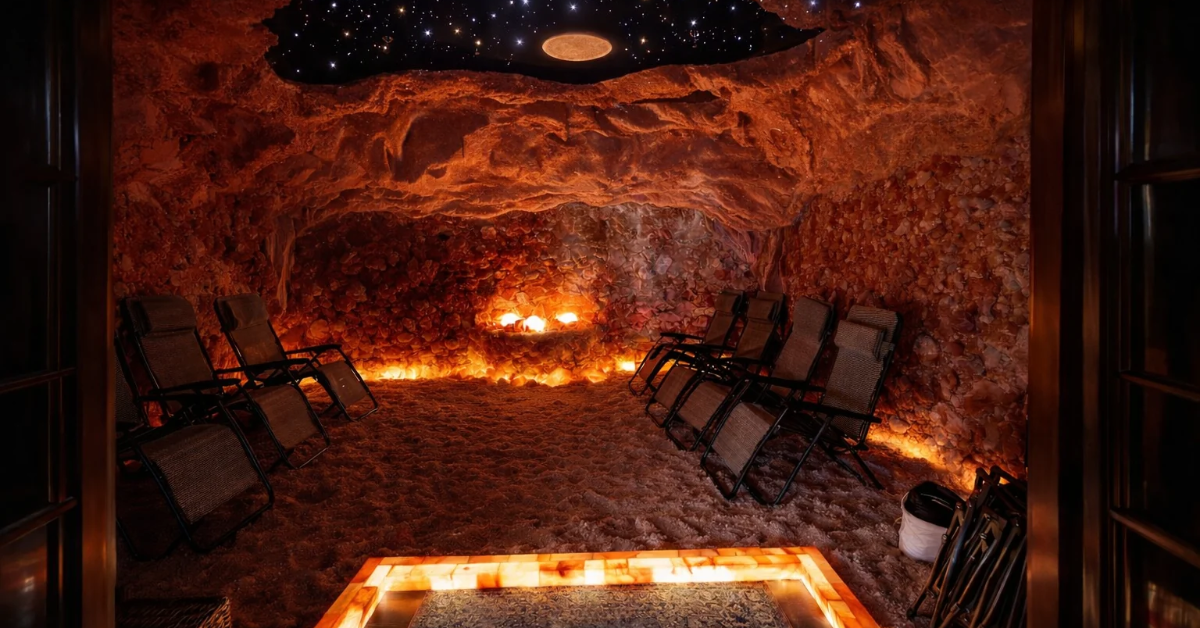
Building a Salt Cave in a Wellness Center: Planning a Himalayan Salt Therapy Room
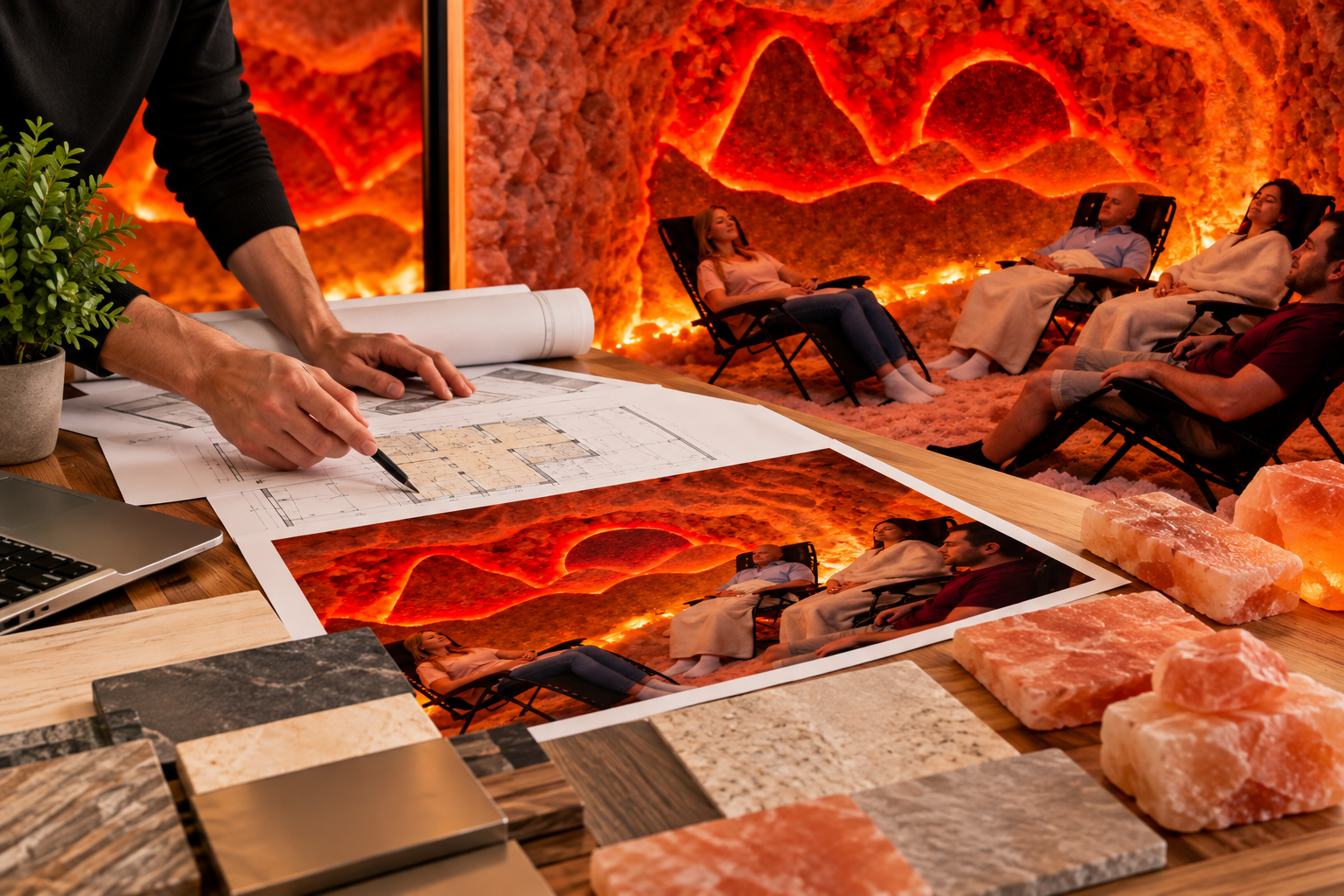
A Himalayan salt cave can become a distinctive feature of a wellness center, but successful salt cave construction takes more than decorating a room with salt.
Wellness centers are creating spaces where guests can slow down, explore new experiences, and make time for themselves. A thoughtfully designed salt cave can contribute to that experience while complementing services such as yoga, hypnosis, massage, group events, and recovery offerings.
One Within All in Brookfield, Connecticut, is a wellness center built around a broader vision. Founded by Zulaika, a Registered Nurse and holistic wellness practitioner, the center began its soft opening on November 11. The facility includes a salt cave, yoga, hypnosis, group events, and a recovery room.
Salt Cave Builder and Dr. Margaret Smiechowski worked with Zulaika to bring her vision for the salt cave to life. The project reflects an important principle for wellness center owners: plan the salt cave as part of the entire facility, with its own purpose, guest experience, and construction requirements.
Start with the wellness center’s vision
Before building a salt cave, define how it will fit into your wellness center. Consider who you hope to welcome, what experience you want guests to have, and how the cave will work alongside your other services.
A salt cave may serve as a quiet retreat within a larger center or become a signature experience that helps define the business. This decision can shape the room’s size, seating, lighting, sound, design, and relationship to nearby spaces.
For Zulaika, the salt cave was part of her vision for One Within All: a welcoming place where people could step away from daily demands and reconnect with themselves. Dr. Margaret supported that vision throughout the design and construction process.
Evaluate the space before construction
A successful salt cave project begins with a careful review of the proposed location. Room dimensions, ceiling height, access, existing ventilation, electrical capacity, and building conditions can all affect the design and construction plan.
Some wellness centers may be adapting an existing room; others may be planning the salt cave as part of a new buildout. In either case, early planning helps identify the work required and coordinate the salt cave with the facility’s other systems and services.
Consider moisture and ventilation from the beginning, particularly in basements or spaces with concrete. Bringing an experienced salt cave builder into the conversation early can help the owner, contractor, electrician, and HVAC team plan around the project requirements.
Understand what a salt therapy room requires
Building a Himalayan salt cave involves more than installing salt finishes. When the goal is a therapeutic salt room designed for halotherapy, the room’s salt environment, climate controls, airflow, and equipment need to be planned together.
Salt Cave Builder identifies three important elements for this type of room:
- A complete salt microclimate, including salt on the walls and floor
- Climate control calibrated for temperature, humidity, and airflow
- A medical-grade halogenerator designed to deliver salt aerosol at the appropriate particle size and concentration
Address these elements during design, not as an afterthought. The specific plan depends on the room, the intended use, and the facility’s goals.
Coordinate design with construction
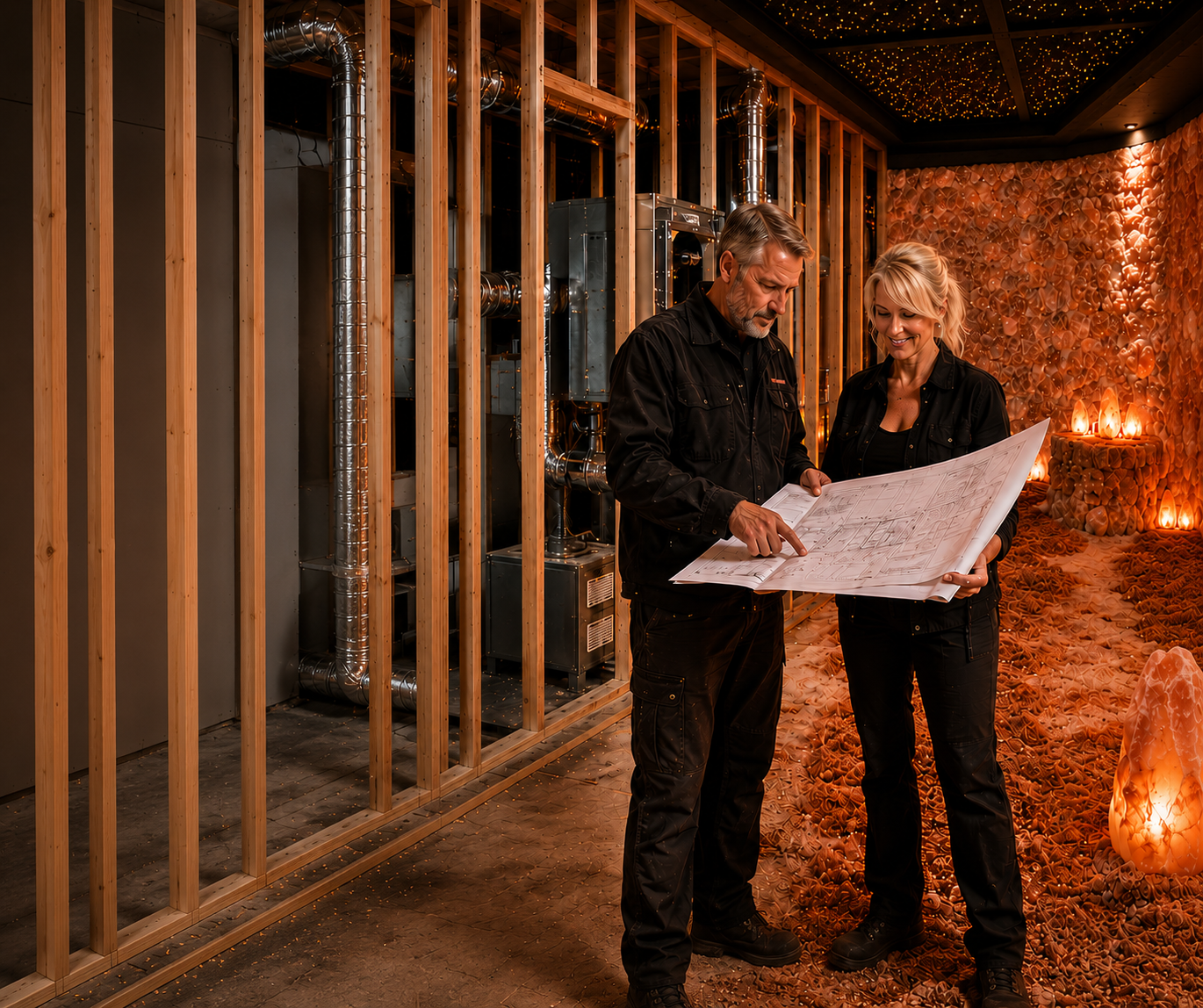
Salt cave construction can involve multiple trades. The salt cave builder may need to coordinate with the general contractor, electrician, HVAC team, and other professionals working on the wellness center.
The project plan should account for the salt cave design, mechanical systems, electrical requirements, equipment placement, and how guests will enter and use the space. Clear coordination helps teams work from the same plan and reduces the risk of delays or costly changes during construction.
A salt cave builder with experience in wellness center projects can help translate the owner’s concept into practical design and construction decisions. That collaboration was part of the process at One Within All, where Dr. Margaret helped Zulaika move from an early vision to a completed salt cave.
Design the guest experience and daily operation
A salt cave is both a constructed room and a guest experience. Seating, lighting, sound, and the overall design contribute to the atmosphere, while practical choices affect how the room operates day to day.
Wellness center owners should consider guest capacity, accessibility, session scheduling, staff responsibilities, cleaning, and how the cave connects to the rest of the facility. Planning these details early helps the salt cave feel like an intentional part of the center rather than an isolated addition.
Build a salt cave that supports your center’s purpose
A well-planned salt cave can help a wellness center offer a distinct and memorable setting for guests. The best results begin with a clear vision and continue through careful site evaluation, salt cave design, trade coordination, and preparation for daily operation.
Salt Cave Builder designs and builds Himalayan salt caves and salt therapy rooms for wellness centers and businesses nationwide. Founded by Dr. Margaret Smiechowski, the company brings more than two decades of experience in salt cave design and construction.
To discuss building a salt cave or salt therapy room for your wellness center, visit saltcavebuilder.com or call (802) 770-3138.